by
by 
The best jewelry of any person is a radiant and healthy skin, so many people spend a lot of effort to get rid of imperfections. The most discomfort is caused by inflammation on problem skin, which requires special treatment. Care for acne-prone skin is selected individually since the causes of inflammation are different. Some people have pimples due to hormonal imbalance, others so expressed genetic predisposition, so before selecting the means to establish the exact cause of rashes.
The universally hated juvenile acne affects 80 percent of people between the ages of 12 and 30.
Young men between the ages of 16 and 19 and girls between 14 and 17. Acne manifests itself in different types of skin lesions – more or less large pimples, cysts, blackheads and papules.
Why does it happen to us?
The appearance, course and severity of the disease depend largely on genes and hormones that can activate the sebaceous glands to a greater or lesser extent. The degree of keratinisation of hair follicles, bacterial multiplication in the ducts of the sebaceous glands and the tendency to inflammation also depend on it. On the other hand, the first problem, i.e. genetic inheritance, is not a fully explained factor, because the recurrence of the tendency to acne is effective at 50 per cent. cases. In the most severe cases, the child is more likely to share the fate of the parent.
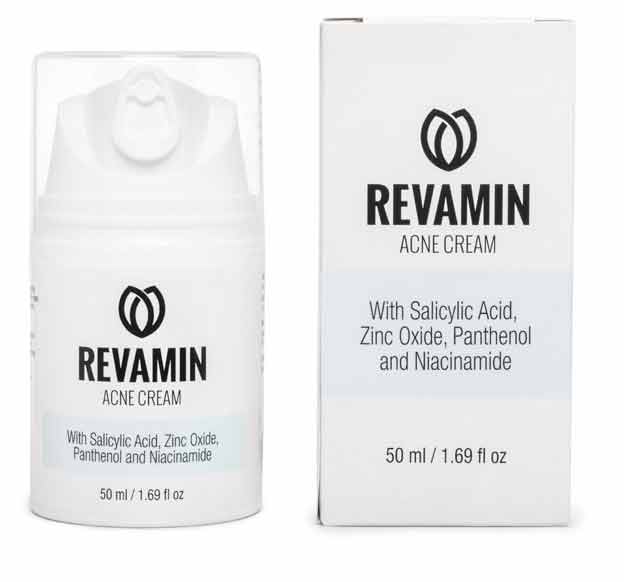
We offer the best products for acne and for maintaining healthy skin

Why does acne attack young people, especially during adolescence? During this period, the action of androgens, including testosterone and dihydrotestosterone, which act on the sebaceous glands, enlarging them and activating the secretion of sebum, increases. High levels of androgens in women contribute to acne, including between the ages of 20 and 30.

Sebum bacteria and Propionibacterium acne play a key role in the development of acne and are responsible for the formation of inflammation. The sebaceous glands represent a group of the latter. These bacteria are responsible for releasing enzymes that break down triglycerides contained in the gland secretion. The free fatty acids formed irritate the hair follicles, which become calloused. This is where acne microparticles form, which are the basis for the development of acne. If the sebaceous glands continue to grow, closed comedones and then open black dots will begin to form. Black spots are usually associated with dark spots on our skin, but not all of them look like this because their colour depends on the presence of melanin and the oxidation process of the horny masses.
Fat and acne rash formation
The word fat plays a key role when discussing acne lesions, but teens often assume it’s the same fat found in food and try to eliminate fatty foods from their diet when they notice unwanted changes. Just as unhealthy fats, such as trans or saturated fats, are not the problem, completely eliminating, for example, healthy, especially for teens, monounsaturated fats or omega-3 fats is a poor solution. On the other hand, young people need to make changes to increase zinc. Its deficiencies contribute to the development of skin formations. Its large amounts are found in cereal products, beef and poultry meat, as well as eggs. At the same time, it is worth knowing that caffeine counteracts the process of absorption of zinc, so it is better not to consume it when we are trying to make up for a deficiency or simply fight a persistent form of acne. Alternatively, you can also take supplements containing zinc. An anti-acne diet can also be enriched with plant extracts such as horsetail, which improve the overall health of the skin, hair and nails.
Diet:
Eliminate biscuits, cakes and other sweets because they contain a lot of harmful (not only for the skin) trans and saturated fats.
Replace fatty meat with lean meat and eat it after baking, stewing or steaming.
Choose vegetable fats (e.g. olive oil, flaxseed oil) and fish oils (omega-3 fatty acids).
Eat a few (at least 2 or 3) fresh fruits a day, preferably seasonal.
You can eat dairy products, but do not add sugar to them and favour white cheese, natural yoghurt, kefir and buttermilk.
Eat beef and poultry, fish and eggs to get enough zinc.
Choose whole-grain foods (e.g., bread made from unsifted flour, buckwheat groats).
Completely eliminate junk food and other unhealthy foods.
Use spicy spices in moderation.
Drink plenty of water (up to 3 litres a day).
Don’t overdo it with black tea and coffee.
When it comes to acne prone skin care, it should be well suited to your problem, but remember that it cannot be excessive because it increases sebum secretion.