by
by 
A trip to the town of Millport is not just an exciting journey to one of Scotland‘s most ‘straightforward’ towns, but also an opportunity to discover several unique attractions that are featured not only in tourist guidebooks, but also in the Guinness Book of Records.
The journey to the island of Great Cumbrae begins in the town of Largs where a ferry takes tourists and visitors to Millport from mainland Scotland to the island. The ferry ride is comfortable and takes little time so this mode of transport at the very beginning of the journey seems more like a pleasant adventure than a necessary decision.
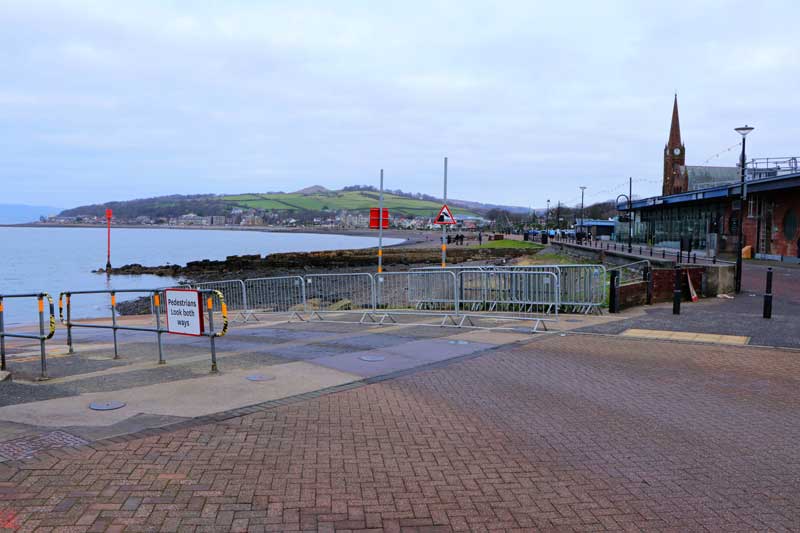
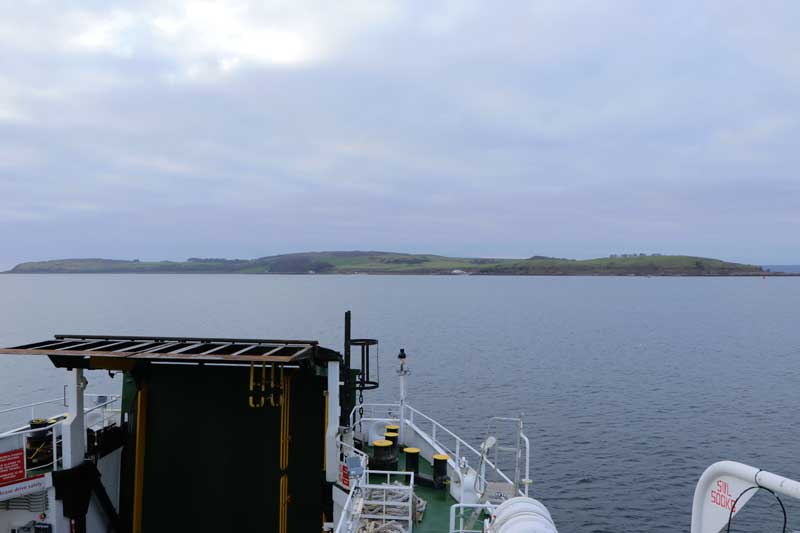

After leaving the ferry you find yourself on a road that leads straight to Millport. The car route passes through picturesque places. You can enjoy views of local nature and the coastline of the Firth of Clyde from your car window. Guests are greeted by cosy, charming houses belonging to local residents along the roadside.
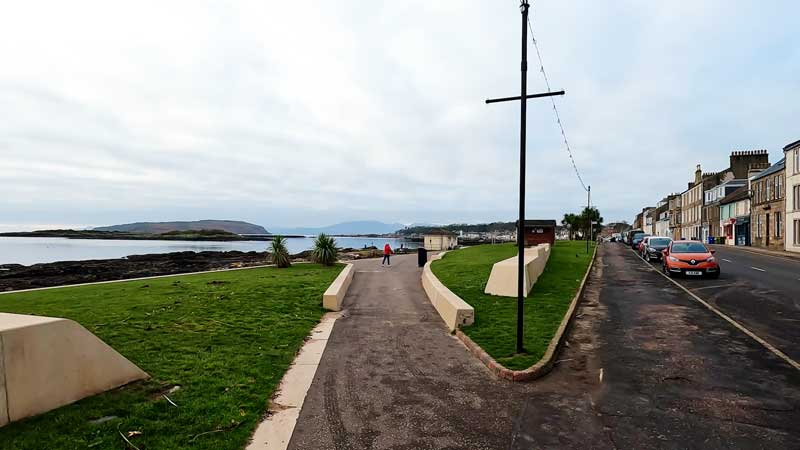
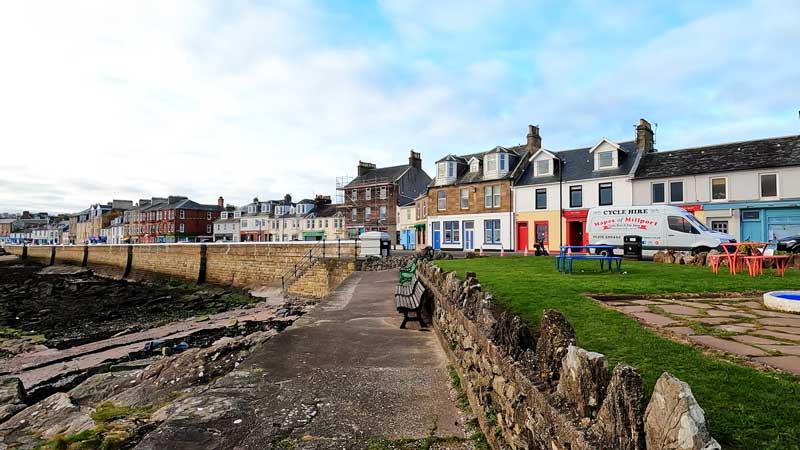
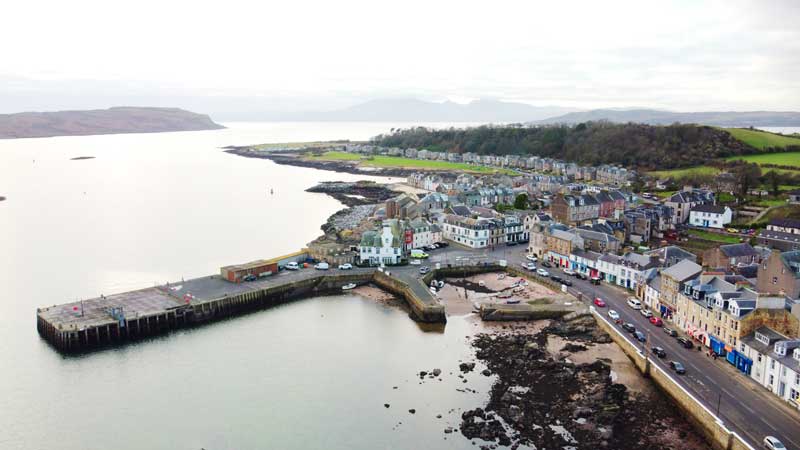
Millport is the only settlement on the island of Great Campbell. It is located near the coast of Ayrshire and occupies picturesque Millport Bay which faces south and offers stunning views of the Arran Mountains, neighbouring islands and the hills of Ayrshire. The island is small so it is often referred to by the name of its only town – Millport.
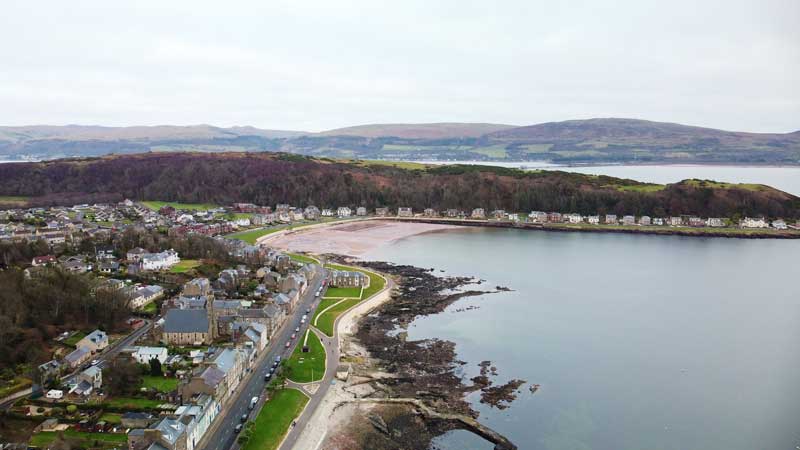
The town was an important strategic base from the mid-1700’s as the customs service tracked ships and combated smuggling which was rampant at the time. The first buildings on the island were barracks for crew known as ‘The Garrison’. However they were converted into a family home during the period 1819 – 1820 for the then owner of the island, Lord Glasgow,
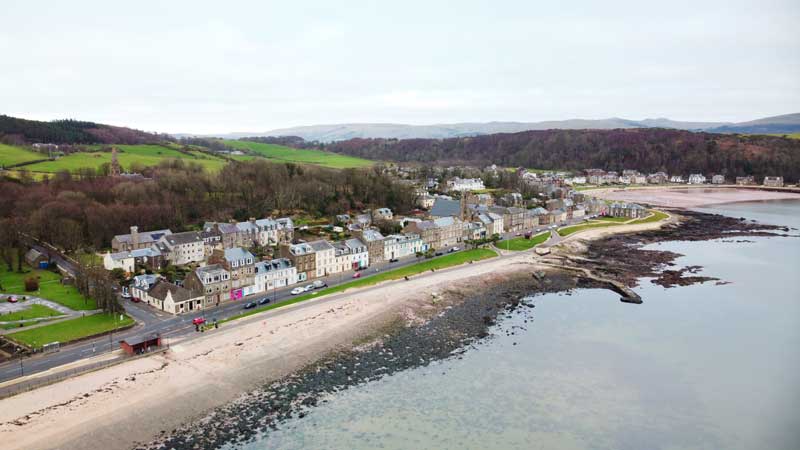
A pier appeared in the town in 1833 and ferries running on the River Clyde began to call there regularly. From that time on Millport became a favourite holiday destination for Victorian intellectuals. Villas and apartment buildings began to be built on the island and in 1851 the Scottish Episcopal Church Cathedral, hospitals and other structures were built. Many of them are still in use today. To get to know them better let’s take a walk through the streets of Millport.
What to see in Millport
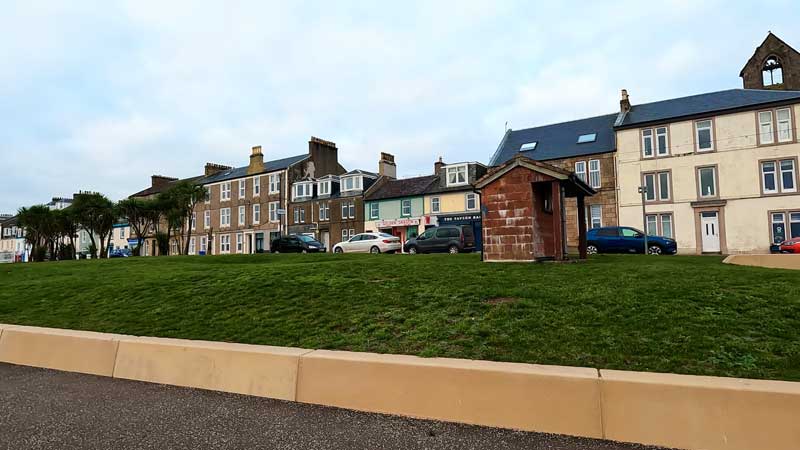
The town of Millport stretches along the shore of the bay for almost two miles which is why it is often called ‘straight’ and although it only has a couple of streets there are many interesting things to see in them. The first attraction that greets visitors to the town is Crocodile Rock.
Crocodile Rock
This is a very iconic and unusual place on Cambray Island and is located right on the town beach. This colourful rock has delighted not only visiting travellers but locals, especially children, for over 100 years. Its history began in 1914 when the rock was painted to resemble a crocodile.
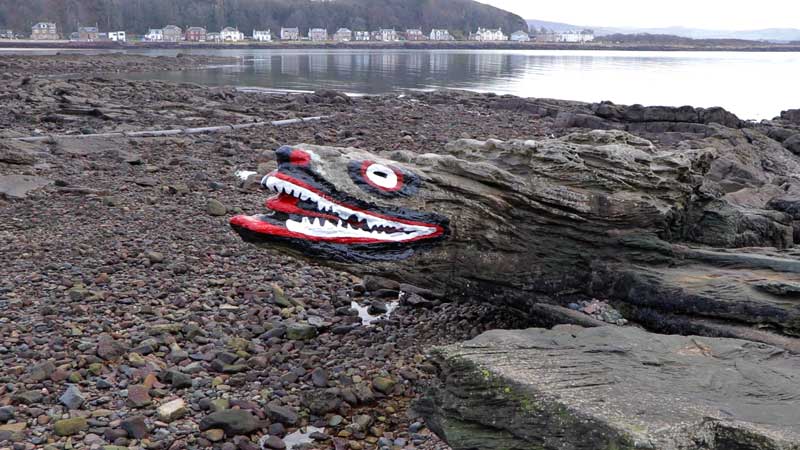
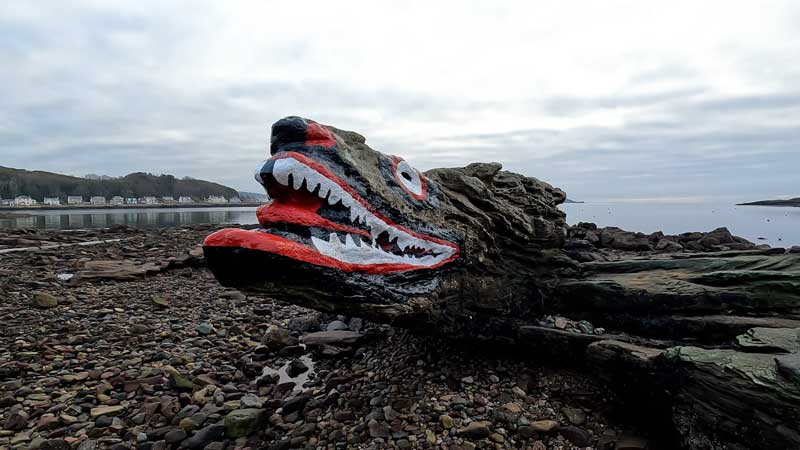
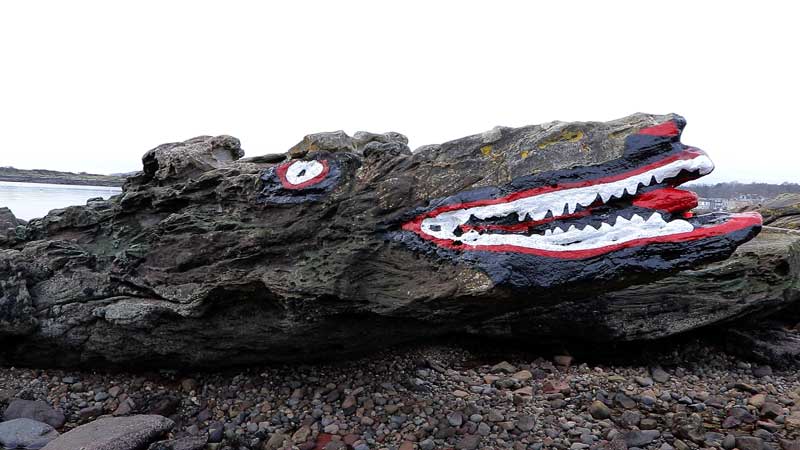
Since then part of the rock has become not only a favourite spot for photo shoots, but also part of the city’s history. Maintaining the bright crocodile image has become a beloved local tradition. The ‘Crocodile Rock’ symbolises the playful spirit of its residents and their creative view of everything around them.
Garrison House
After exploring Crocodile Rock, we set off for a stroll along Millport’s waterfront. The area offers stunning views of the bay and green lawns of the coastline. After walking for a while we arrive at the geographical and social centre of the town – Garrison House. The sight of this imposing structure is stunning and awe-inspiring. Garrison House is an architectural monument which was built in Neo-Gothic style in the mid-18th century. Throughout its history the building has served various purposes including being the home of the Bute family.
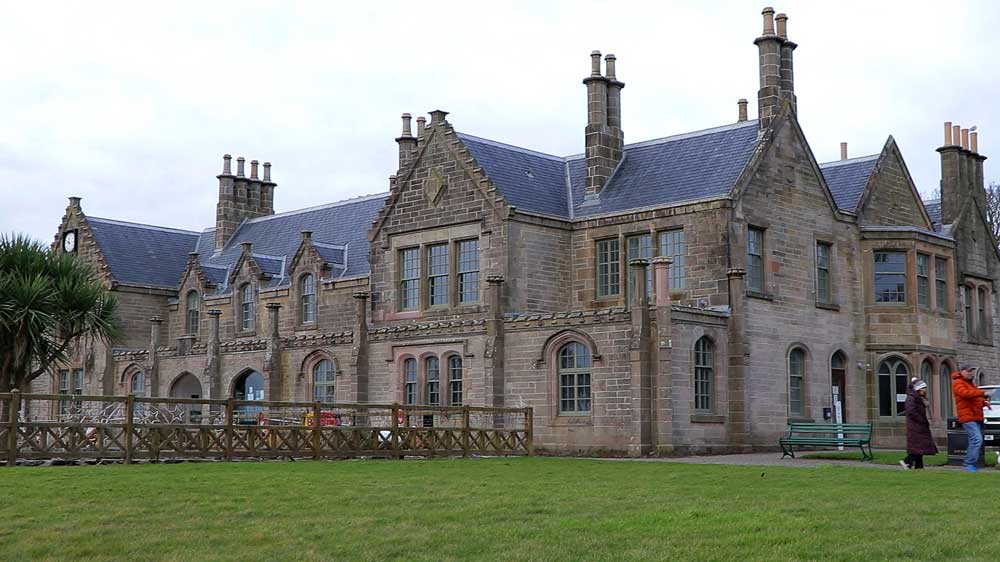
The building originated from barracks built in Millport in 1745. It was first called ‘Garrison’ and was rebuilt in 1820 into the home of Lord Glasgow. Ownership of the building passed to the Marquises of Beattie in 1800. It was the Crichton-Stewart family who laid out the sunken garden in the front of the house which is still beautiful today. The Garrison housed municipal offices until 1997, but was then abandoned due to its dilapidated state.
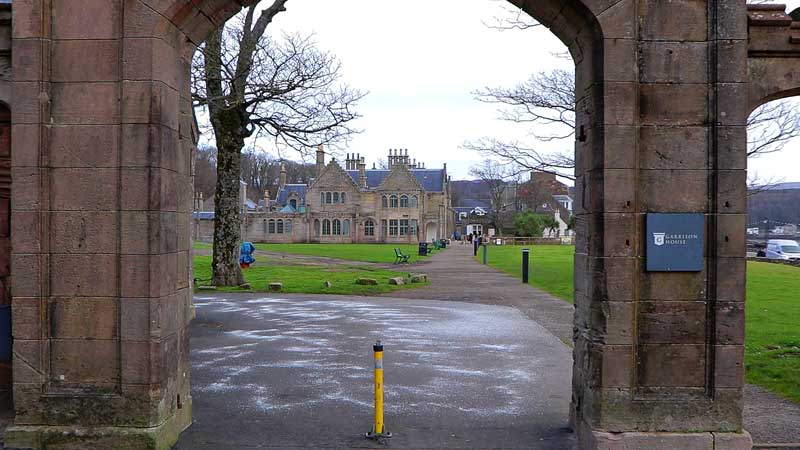
The Garrison was restored following a fire in 2001 and reopened in 2008. It was renamed Garrison House.
Only the shell of the old building remains. Walking through the halls of the building we see modern interiors, a luxurious spiral staircase and a large amount of glazing. Inside is the Cumbre Museum where lavishly decorated display cases and exhibitions tell the story of the island from its foundation to the present day.
Walking to the back of the museum and exiting to the interior you can enter the cosy café. On the opposite side is a school classroom completely recreated from the days of inkwells. Garrison House also houses a library occupying three rooms, medical offices and offices of various companies.
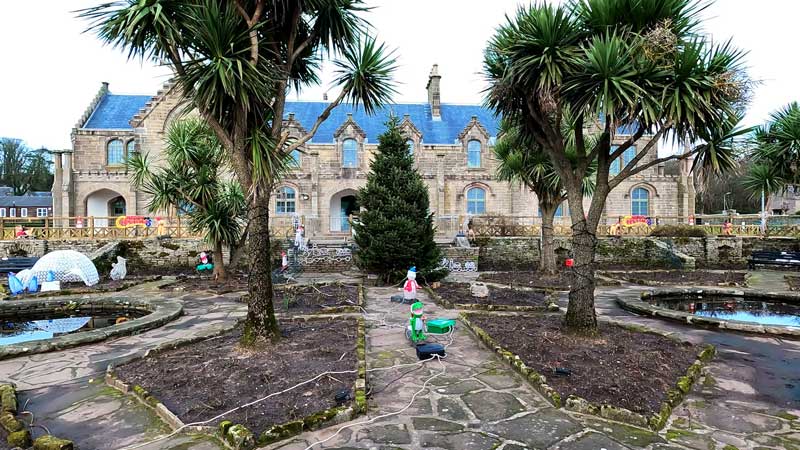
To get to the next attraction in Millport you need to go back to the waterfront. The route along it is very interesting as, in addition to the natural beauty that surrounds you on all sides, the coastline is dotted with various interesting locations and places to relax.
The Wedge
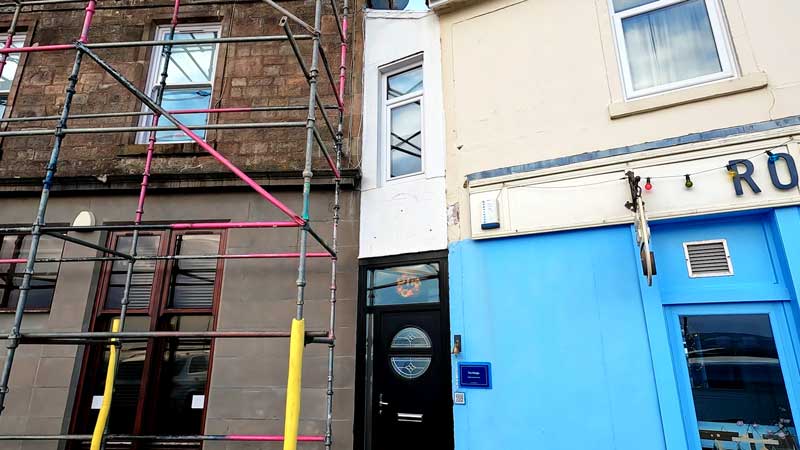
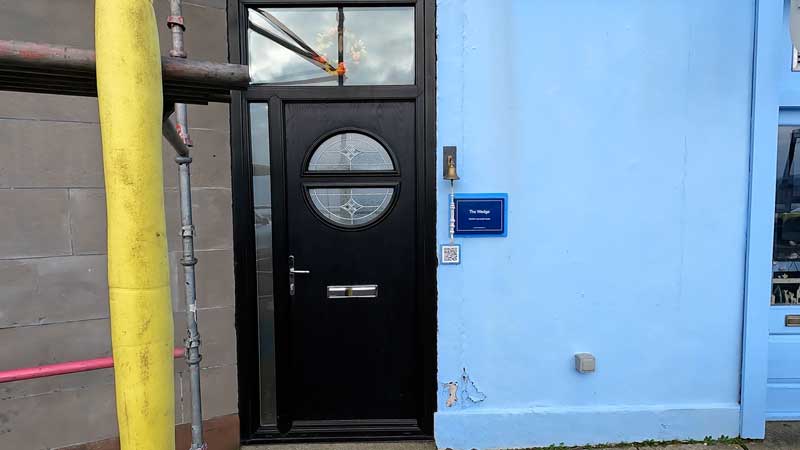
Another unique attraction in the city is The Wedge, a house that got its name from its shape. This house holds the title of the narrowest house in the United Kingdom and is listed in the Guinness Book of Records. It got its name because of its shape, which resembles a slice of cake – as you move deeper into the building it begins to widen slightly. It is very interesting to see such a house and imagine what the interior looks like!
Cathedral of The Isles
Continuing along the waterfront past neat one and two-storey houses you will come across what is perhaps Millport’s most intriguing attraction. Deep in a wooded alley a short distance from bustling city streets stands the smallest functioning cathedral in Great Britain built in the Neo-Gothic style – the Cathedral of the Isles.
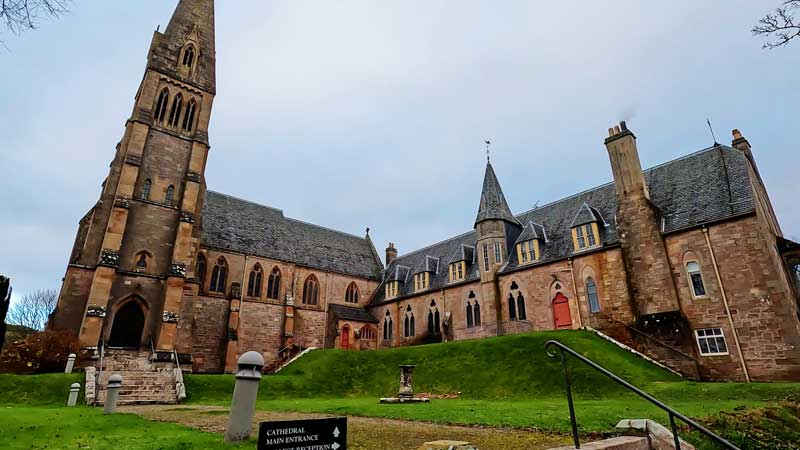
It was built in 1851. You can admire the height of the spire which rises above the trees and other adjacent buildings if you approach the building from the west. The optical illusion that the cathedral’s spire is very tall is created by its height which is 123 feet, three times the 40-foot length of the nave and six times its width.
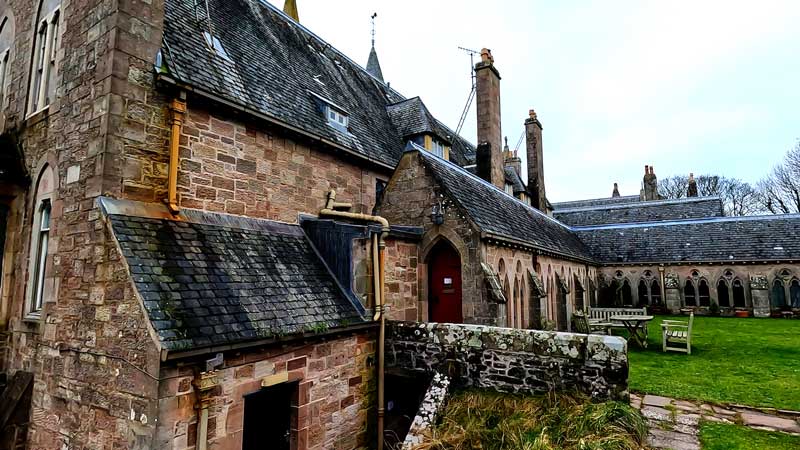
The interior of the Cathedral of the Islands can accommodate no more than 100 people. However, due to the impressive height of the ceilings, the space seems spacious and bright. The nave, simple at first glance, blends harmoniously with the choir which is decorated with multicoloured tile ornaments and dark wood trim. Adjacent to the choir to the north is the modest Chapel of the Virgin Mary whose facades are decorated with two stained glass windows depicting the archangels Michael and Gabriel. The Cathedral of The Isles also houses St. Spirit College and a training centre.
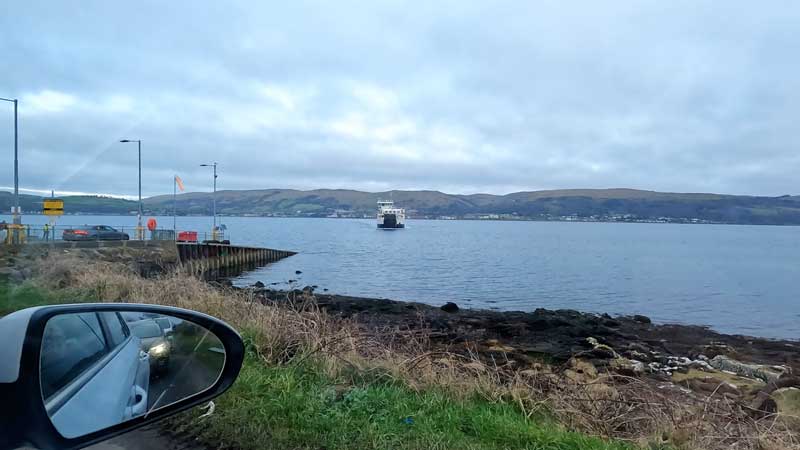
After enjoying the neo-Gothic views of the High Victorian era it is time to finish your walk around Millport. The route from the cathedral to the ferry landing takes you back along the city’s waterfront. This is an excellent opportunity to once again enjoy the beauty of local nature and feel the cosiness and hospitality of this small Scottish town nestled on the shores of the Firth of Clyde.