by
by 
TRIP TO STIRLING
Stirling town is located in the central part of Scotland on hills that rise above the picturesque valley of the River Forth. This is the smallest settlement in the country. The name of the city comes from the Celtic words: “ster” – mountain and “lin” – river.
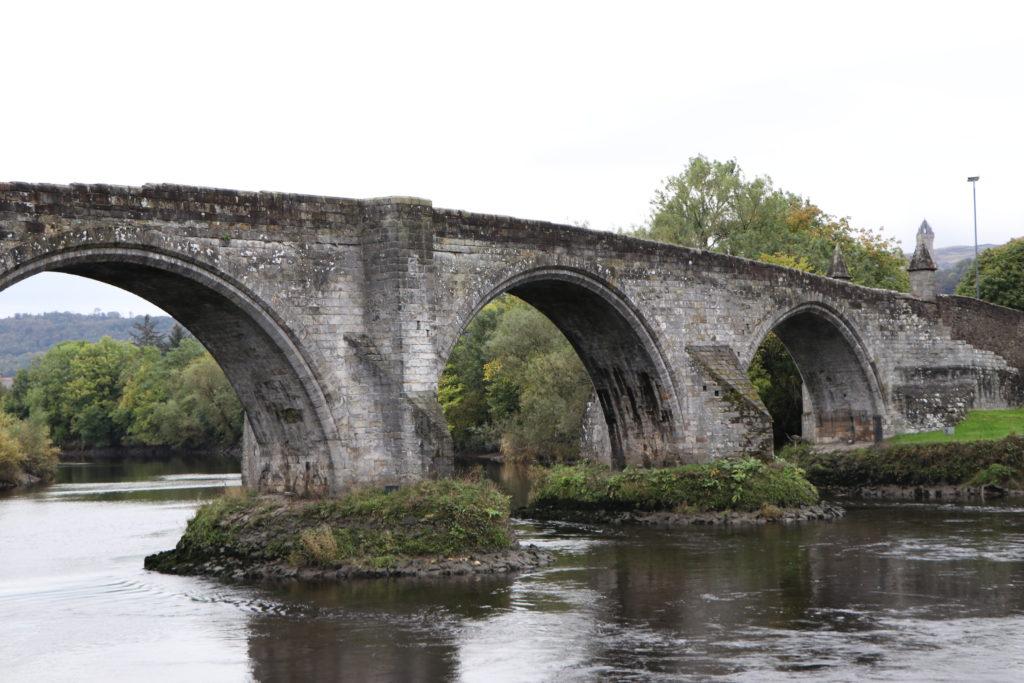

This part of the northernmost country of the United Kingdom of Great Britain attracts tourists with numerous castles, fortresses and cathedrals and to this day introduces the original old culture.
As a result of archaeological excavations carried out in modern Stirling it was established that the first inhabitants existed in this territory in the Stone Age. The surrounding area of Stirling was strategically important from a defensive standpoint. The city, located on a hill, made it possible to view the surrounding areas which stretch for many kilometres. The local area attracted the interest of Roman rulers even during the time of the Roman Empire when the British Isles were captured by its troops. As a result, the Juddeu fortress was built at the height of the Roman Empire. Over time this building was destroyed and in 1110 Stirling Castle was built in its place, the majesty of which surprises and impresses to this day. The rulers began to be located within the walls of the castle.
The construction of a bridge over the River Forth became the starting point for the development of the economy and the overall development of the city. Stirling soon became interesting and significant to many rulers thanks to its high level of development. That is why wars have rocked the area more than once. The Anglo-Scottish War which lasted throughout the 13th and 14th centuries led to Scotland regaining its independence. The year 1297 marks Stirling because of a big battle which occurred on its bridge. The army of the Scottish hero William Wallace clashed with the English army. The English were defeated. The second time the two powerful armies met was near the village of Bannockburn in 1314.
Stirling Castle
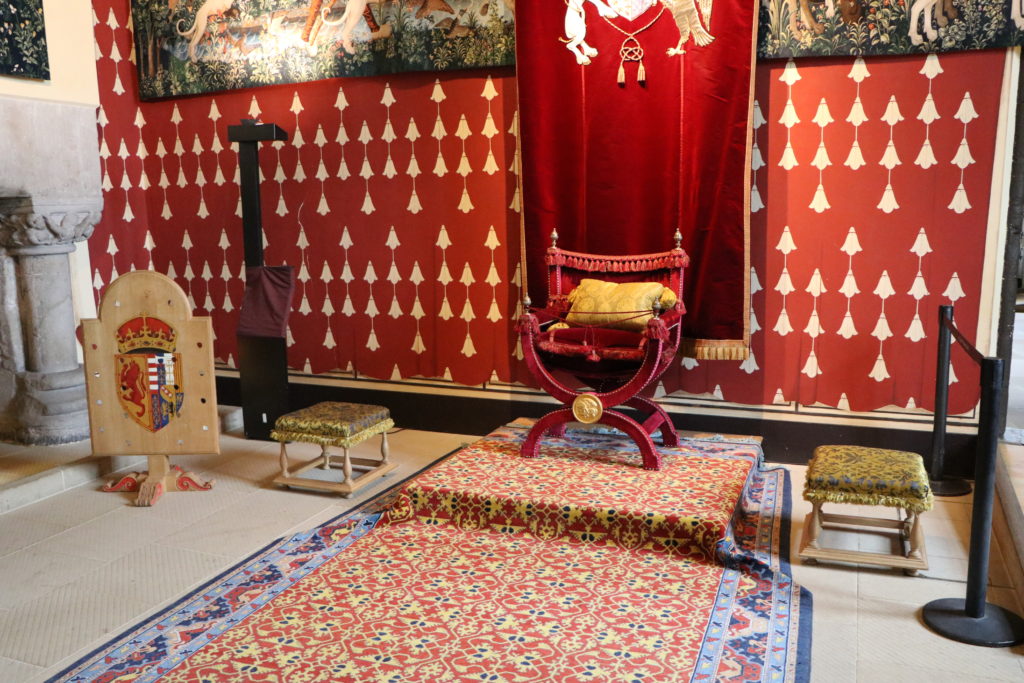
The castle began to be actively rebuilt turning it into a powerful complex after it was captured from the English army by Robert Stuart. The north and south gates with early parts of the castle were rebuilt from 1342. The construction of the complex was even more extensive in the 16th century, when Kings James IV, James V and James VI reigned. This period was marked by the construction of a new royal palace, a great hall, new fortress walls and internal palace buildings.
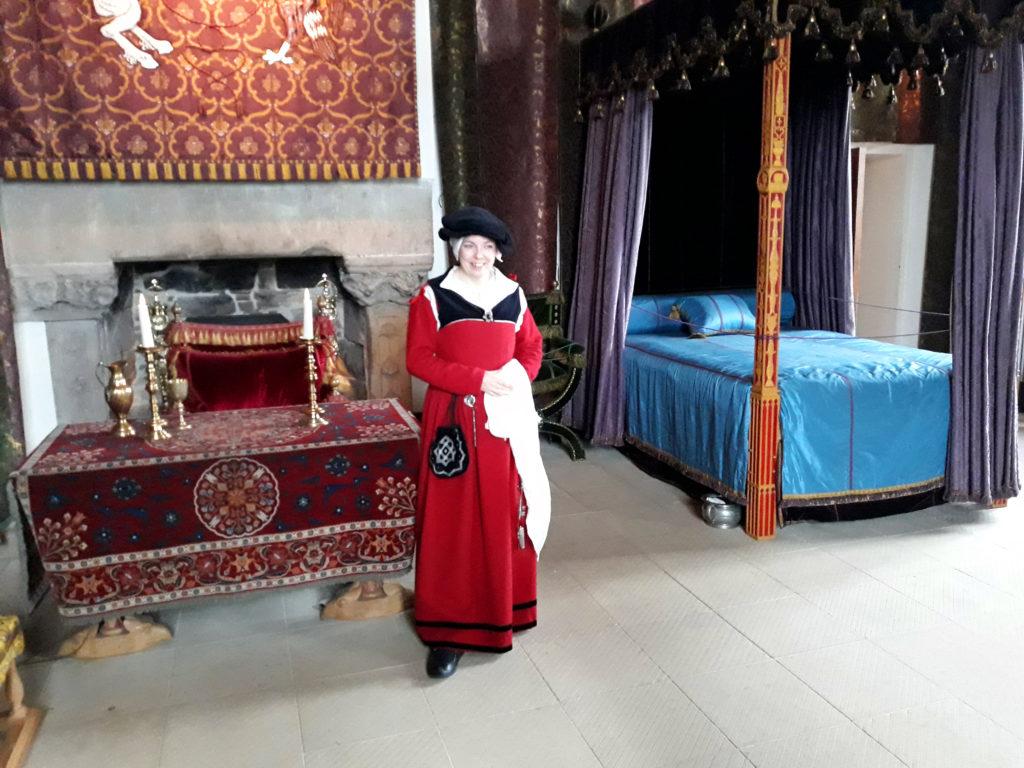
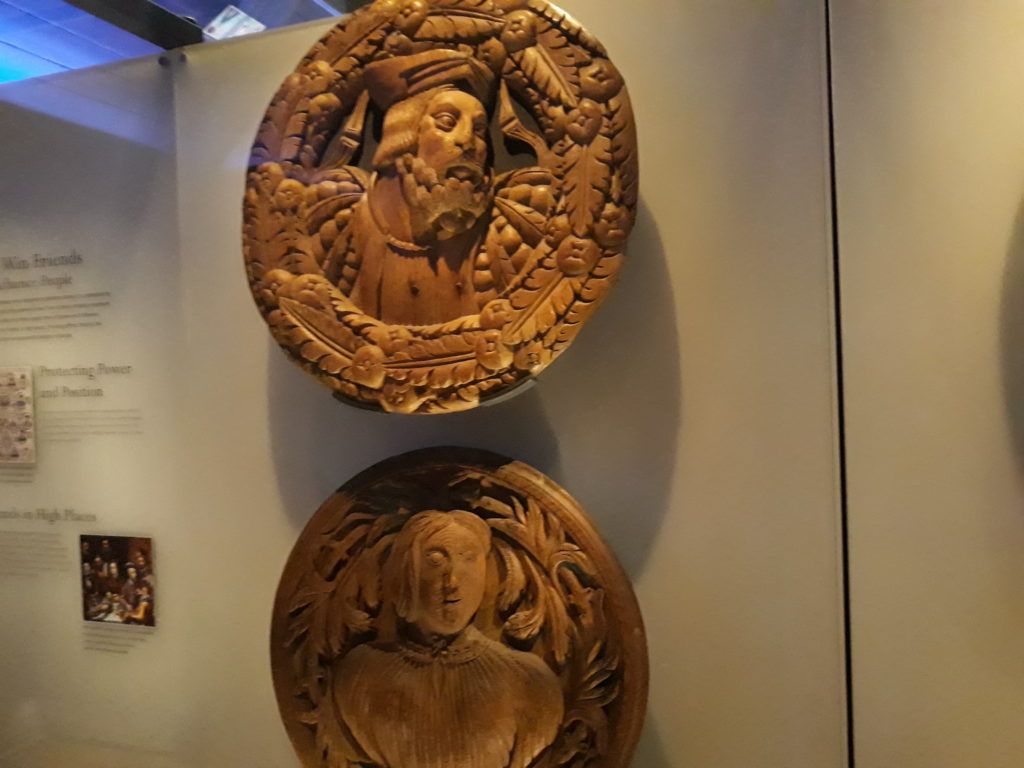
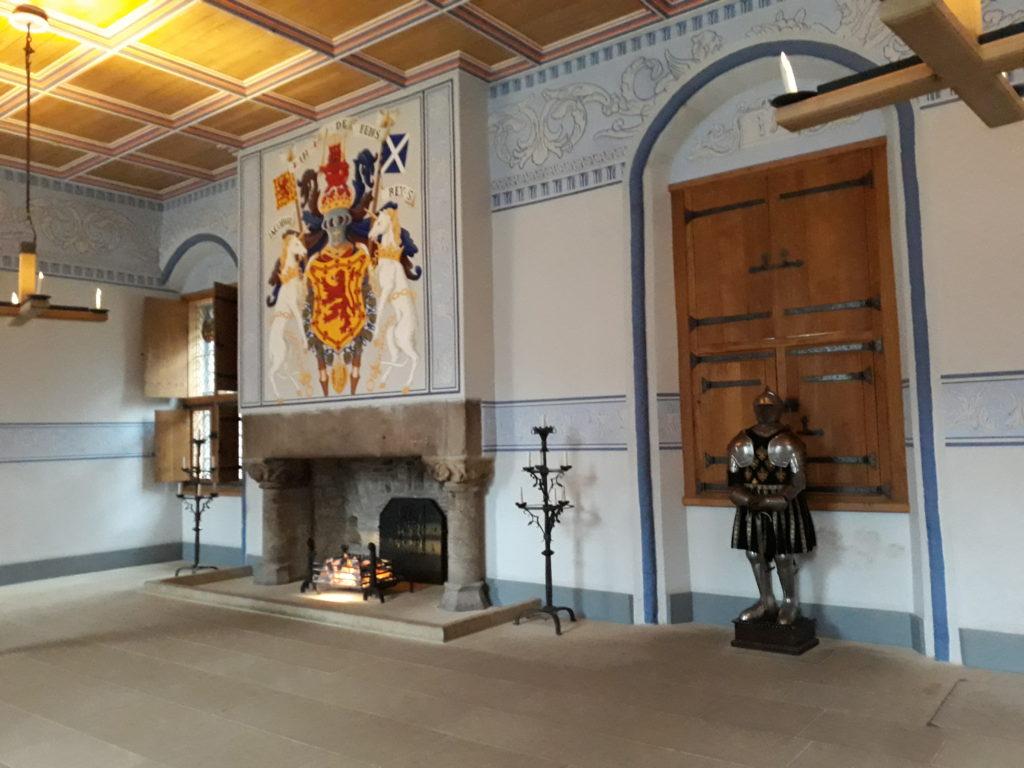
The next important event for the city was the coronation of Mary Stuart at Stirling Castle in 1543 and the following one was for James VI who was crowned in 1567. He was the first king of England and Scotland. The castle was used as a prison for aristocrats and for warehouses where gunpowder and weapons were stored after King James VI left to live in London.
Stirling became a military fortress in 1685. In the 18th century, the port actively developed and generated income here and goods were imported from India. The port closed in the 20th century.
From the 19th century, during the Napoleonic Wars until the second half of the 20th century, the castle housed the headquarters of the Argyll and Sutherland Highlanders regiment and military barracks.
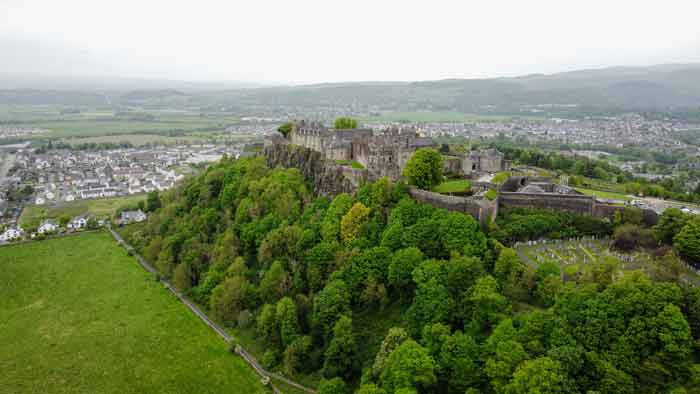
The history of Stirling Castle was altered by fire in 1855. The fortress underwent large-scale restoration after this disaster. The ancient premises were restored under the sensitive supervision of the architect Robert William Billings who was very popular during that era.
The purpose of the fortress complex gradually began to change after King Edward VII visited the castle at the beginning of the 20th century transforming it from the headquarters of a military regiment into a museum. In 1964 the regiment liberated the walls of the majestic castle.
Today restoration work within the walls of this amazing, ancient complex continues. Talented architects and restorers are trying to recreate the historical appearance of Stirling Castle.
Today tourists arriving in Stirling are greeted by a large, old castle complex that rises on the southern coast of the Fort. The structure is surrounded by high cliffs which gives it even greater majesty.
An important part of the complex is represented by the Royal Palace, designed in the Renaissance architectural style. Perhaps the palace is the most beautiful building in all of Scotland, the distinctive feature of which is its stone carvings executed with particular sophistication.
The oldest parts of the fortress which have survived to this day are the buildings from the 14th century. The King’s House and main hall was built during the reign of James IV. The difference between the new, completed elements of the complex is the French architectural style. However, the French parts are especially harmoniously combined with elements of German architecture.
There are strange beliefs amongst local residents associated with Stirling Castle. They say that ghosts live within the walls of this amazing ancient complex. This fact cannot but attract attention and make thousands of tourists come in search of an encounter with the other world.
Holyrood Church is another amazing and interesting place in the city of Stirling. Translated, this name sounds like “Church of the Holy Cross.” A small church was first built on this site in 1129 by order of King David the First. To this day, nothing from the first building has been preserved. In the 15th century, Stirling was engulfed in a terrible fire, which practically wiped out all the buildings in the city. The church was also heavily damaged by the fire. The shrine however was restored.
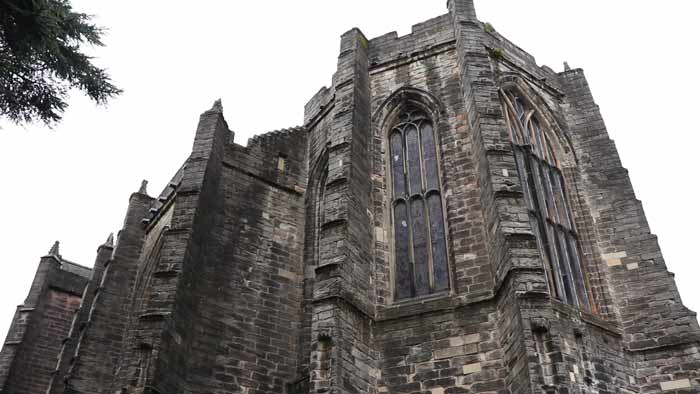
Nowadays, you can see parts of the ancient temple built in the 14th-15th centuries: a nave, a beamed roof made of oak wood, arches in the Gothic style and a central tower with a chapel located in the south. The part of the church located in the east was completed after almost two centuries.
The walls of the Church of the Holy Cross became the site of the coronation of many kings of Scotland. The historical shrine survived due to the fact that this ancient building, which today is an important landmark of the city, was under the protection of the dynasty of the Stuart kings. Today the church is open.
The modern appearance of Scottish Stirling is represented by a popular centre where tourists and students come every year. Within the walls of the historical landmark, Stirling Castle, there is a museum, various festivals are held here and national holidays are celebrated.
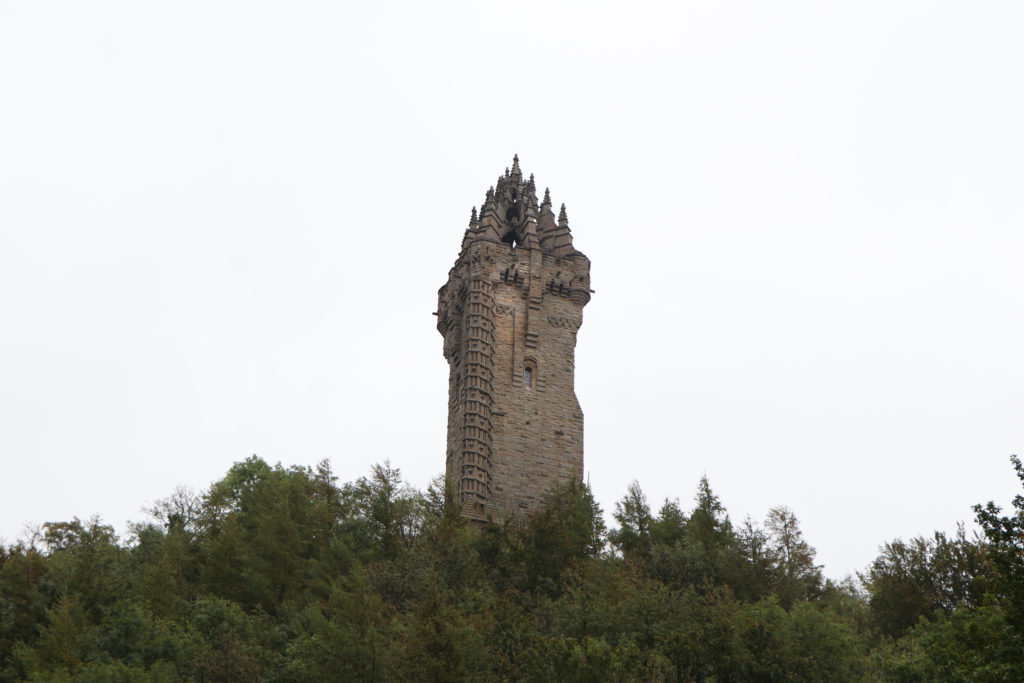
You can see all the beauty of the city if you climb Abbey Craig Hill. Here the Wallace Tower rises 67 metres. It was built in 1869. Today, this building serves as a museum and the best observation deck of the city from which you can admire the local beauty and enjoy the splendour and power of the area.