by
by 
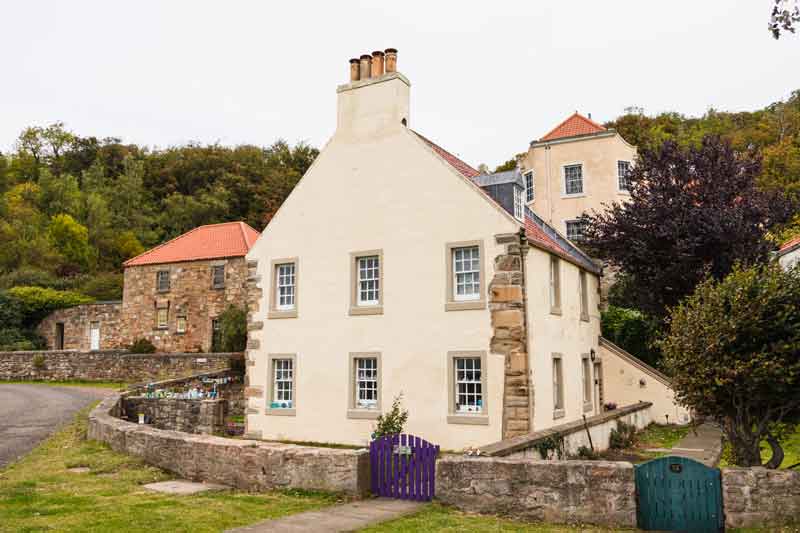
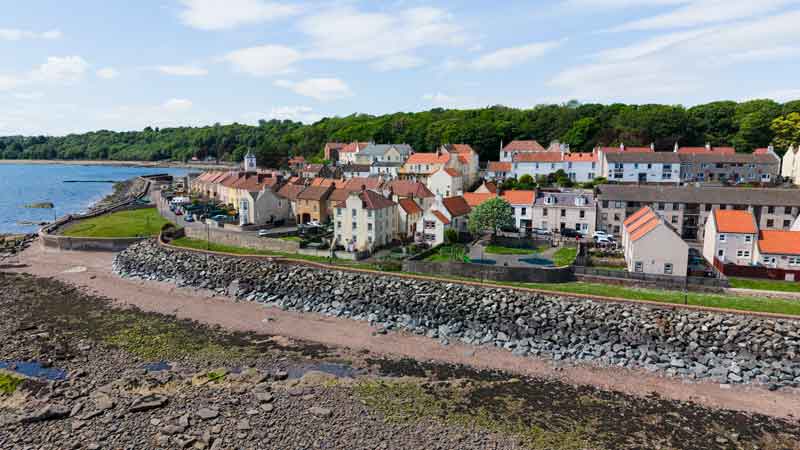
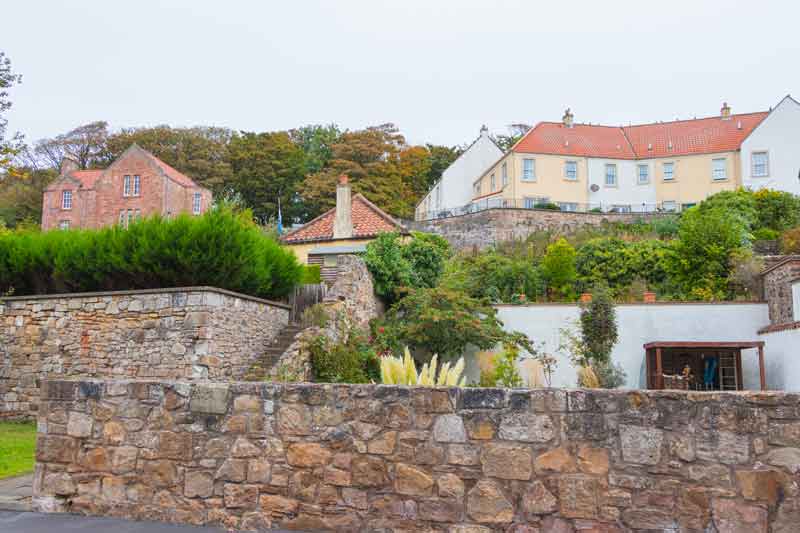
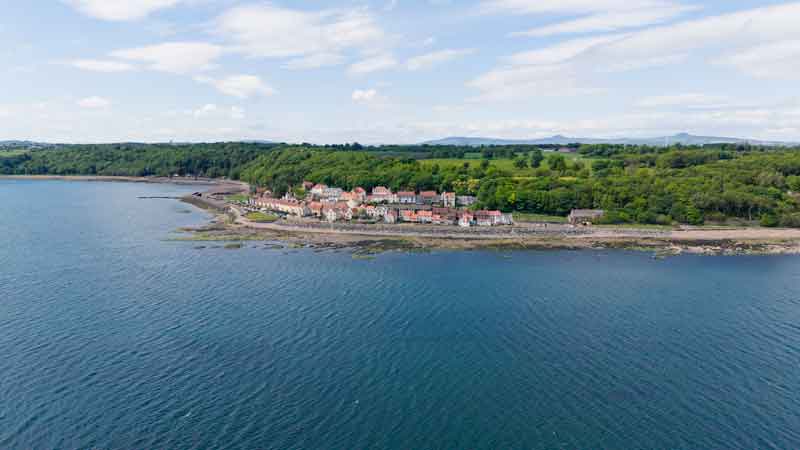
West Wemyss is a small village on the north shore of the Firth of Forth in the county of Fife, Scotland, with a population of around 240 people. It is a former industrial settlement that, through the efforts of local landowners and community organisations, transformed itself from a derelict mining village into a picturesque conservation area.

Location and name origin
The village lies approximately one mile (1.5 km) off the A955 road, east of the town of Kirkcaldy. West Wemyss takes its name from the Wemyss family who have owned these lands since the 12th century and they still reside in nearby Wemyss Castle.
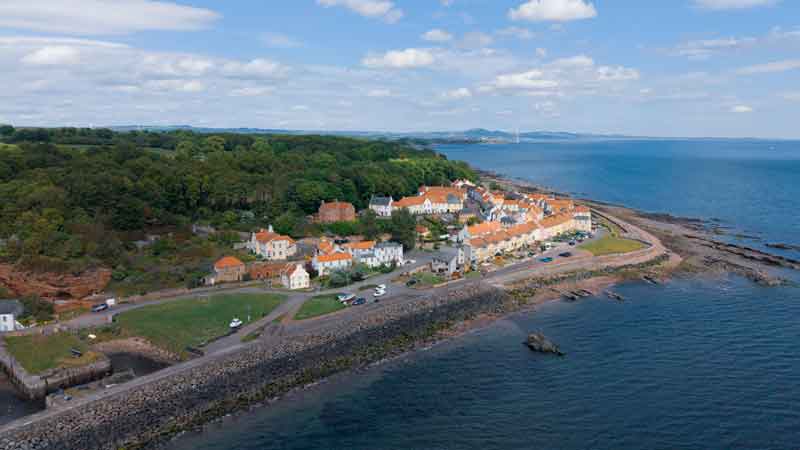
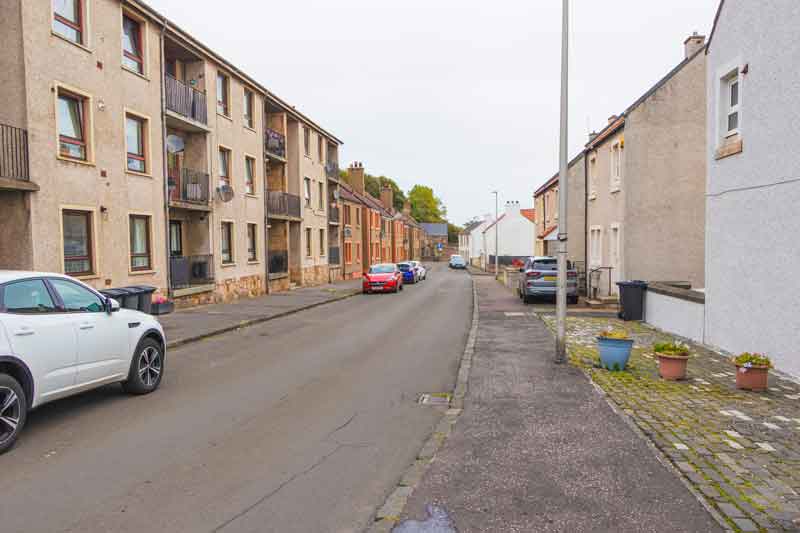
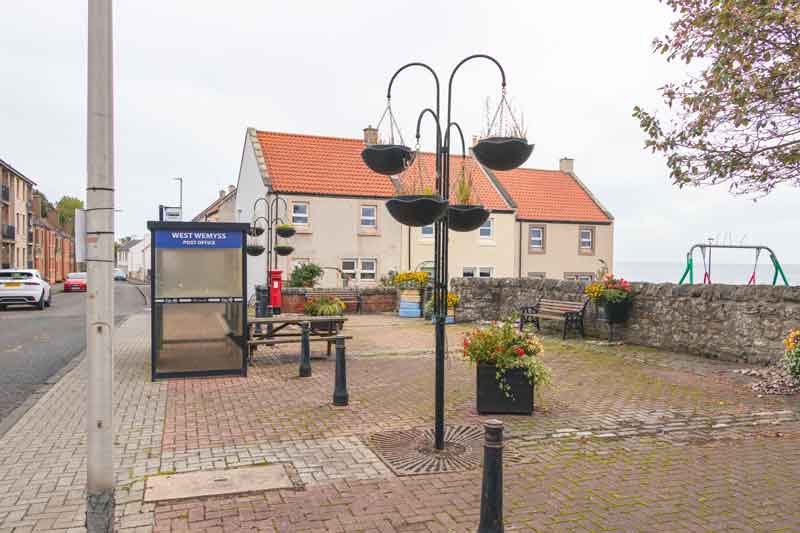
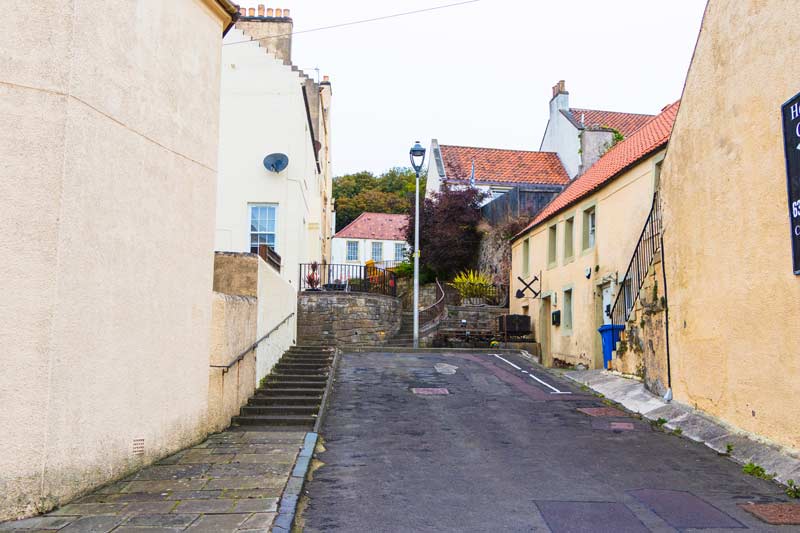
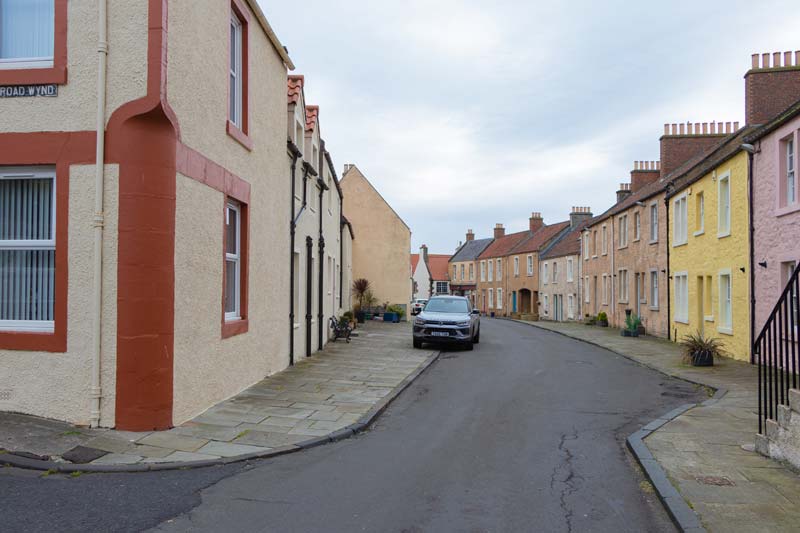
The village itself originated as a settlement around Wemyss Castle and grew over time into a centre for the region’s salt industry. West Wemyss was created a Burgh of Barony in 1511.
Industrial past
Coal and salt
Coal had been mined in the area from the 1430’s and by the 1560’s at least one mine was operating directly beneath the Firth of Forth. The Wemyss family built a harbour in 1621 to export coal from the pits located on their estate. The harbour became the region’s main coal export point by the late 17th century.
Salt production flourished alongside coal mining in the village with the evaporation of seawater in coal-fired pans along the shore. By 1795 over 6,000 tonnes of coal were being exported from the harbour per year. Ships also arrived from the Baltic states carrying timber, iron and flax.
Infrastructure
West Wemyss harbour was connected to local collieries by a railway passing through a tunnel in 1900. An inner dock was built to increase the harbour’s capacity in the late 19th century. However demand for West Wemyss harbour began to decline after the opening of new docks in neighbouring Methil. Coal mining ceased around the mid-20th century and the last salt pan closed in 1914.
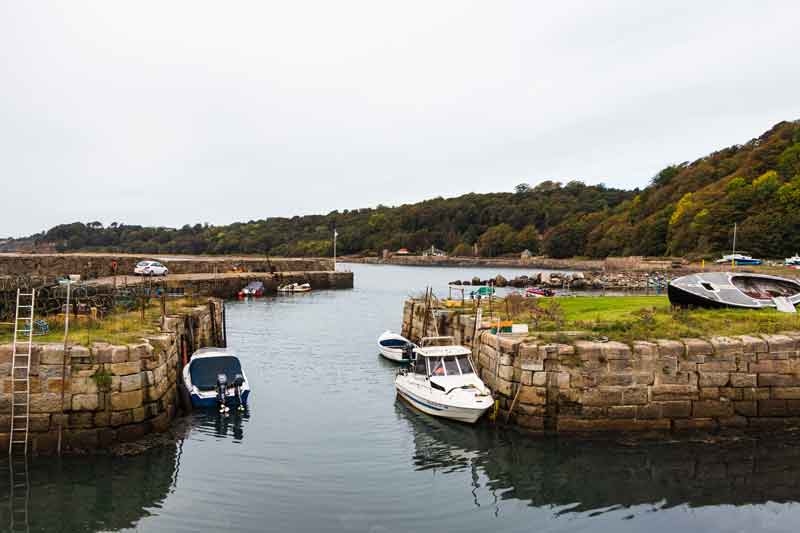
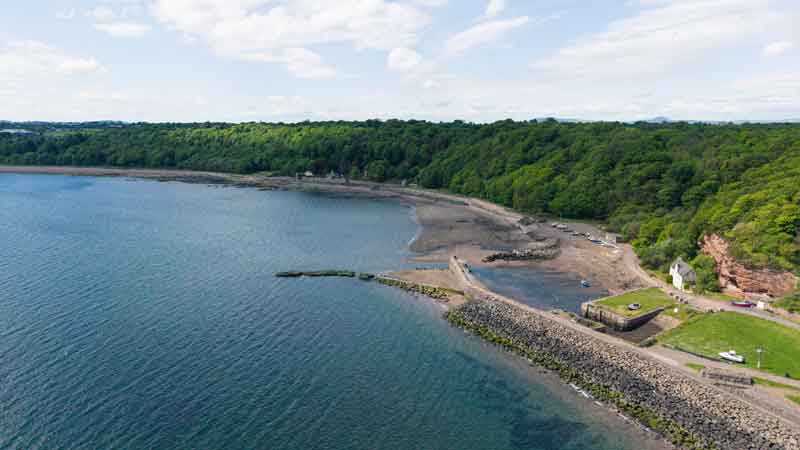
The railway and gasworks were demolished by the 1960’s and much of the harbour was filled with coal mine waste. The inner dock was filled in in 1964 and today the site features a public car park and grassed area.
Village revival
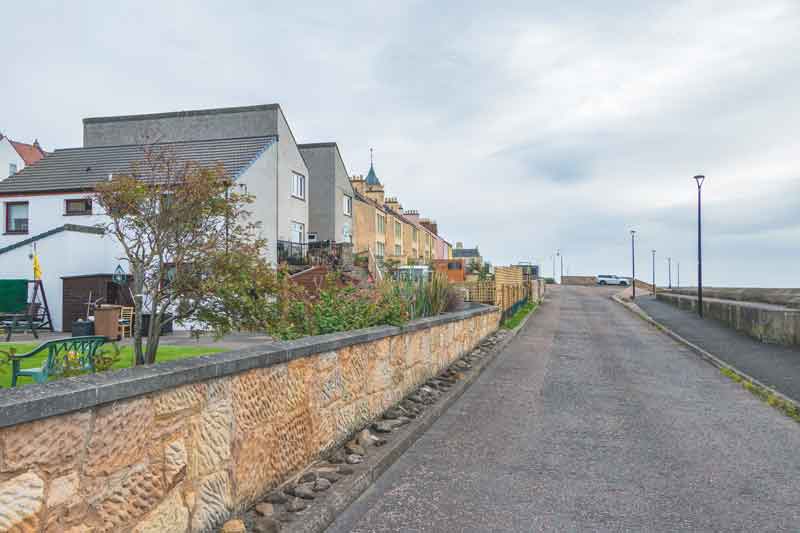
The decline seen in the mid-1900’s has been reversed in recent decades. Wemyss Estates, with support from Fife Council and funding from the Heritage Lottery Fund, invested substantial resources into turning the village into an attractive place to live and visit.
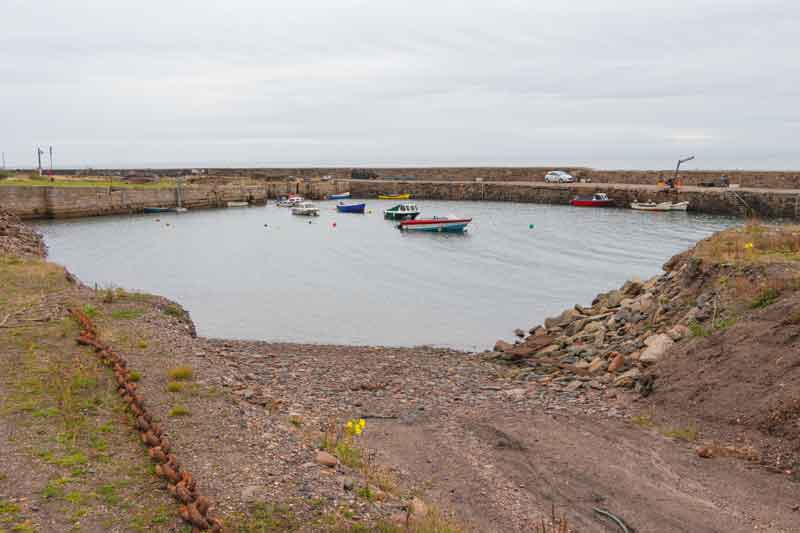
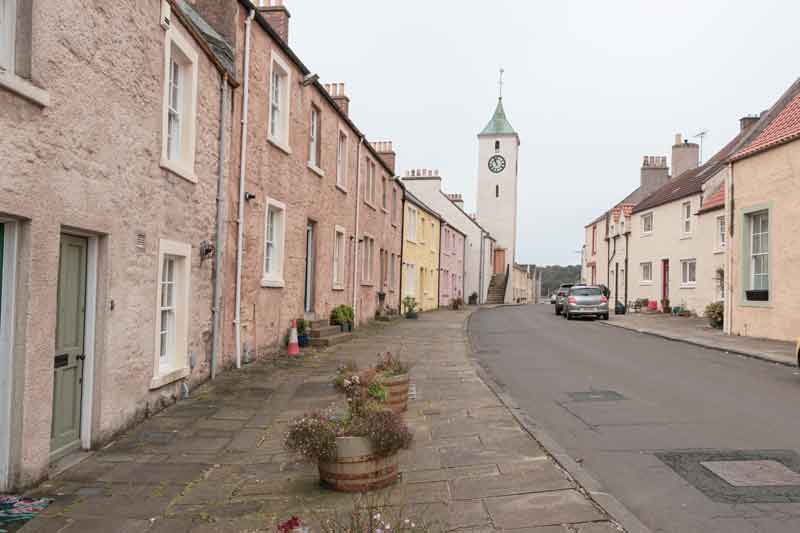
Many houses along the High Street were comprehensively restored and, in the 1990’s, the harbour’s outer basin was cleared and restored for fishing and pleasure craft. West Wemyss is, today, a designated conservation area with a population of less than 300 residents.
Landmarks
Tolbooth
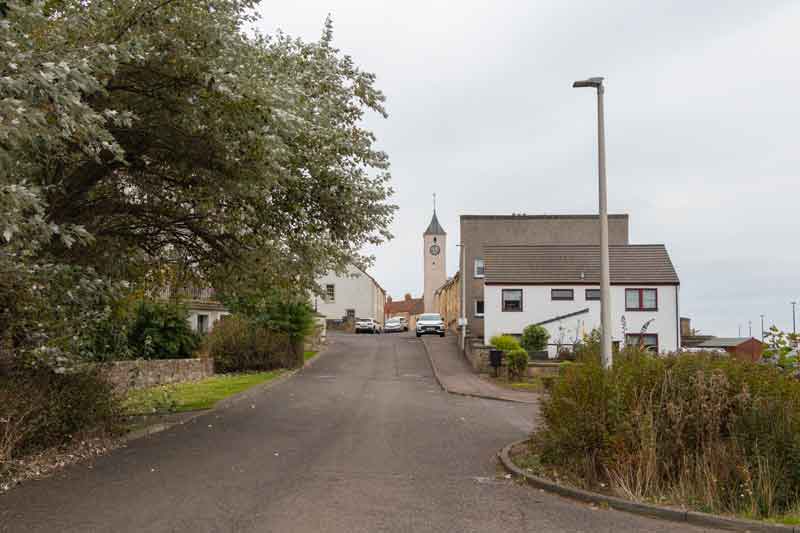
One of West Wemyss’ most prominent buildings is a white-painted tolbooth with a clock tower. It is believed that the village was granted a tolbooth as early as 1511, but most of the structure seen today was erected by David, 3rd Earl of Wemyss in the early 1700’s.
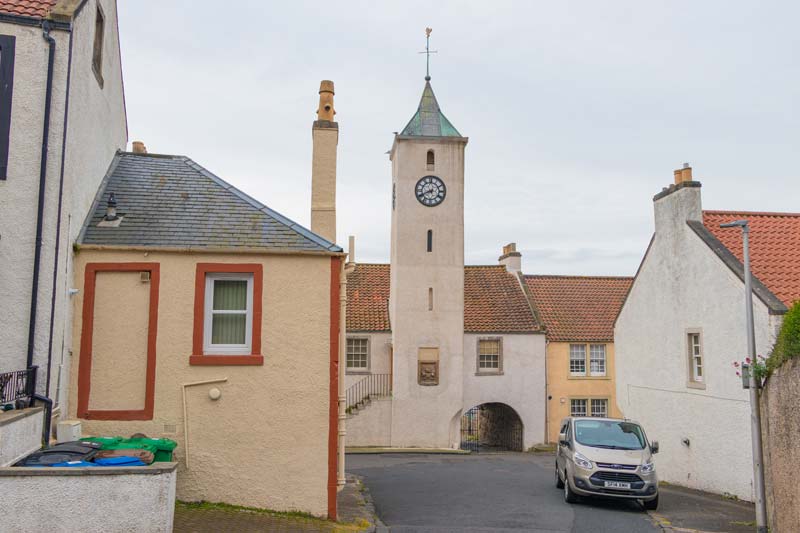
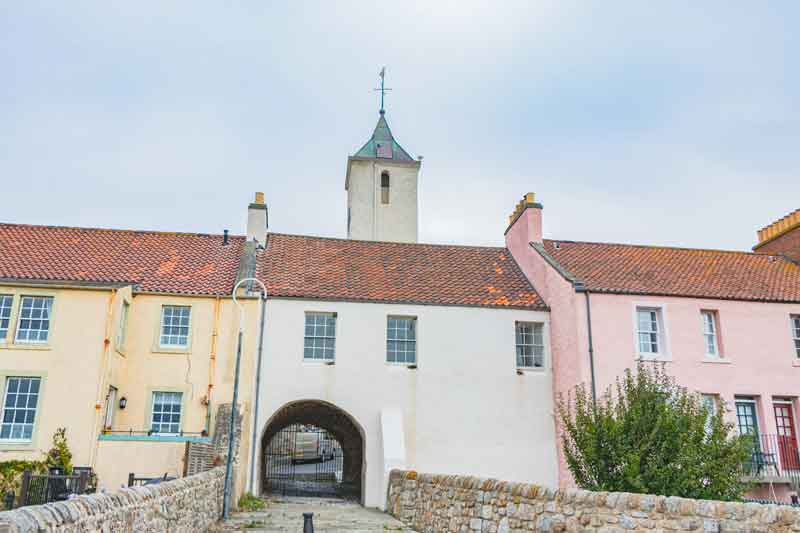
The building served as a meeting place and has prison cells located on the ground floor. An archway leads inside.
Wemyss Castle
Wemyss Castle, the ancestral seat of the Wemyss family, stands on a cliff between the villages of East and West Wemyss. The first fortification on this site appeared in the 12th century while a rectangular stone tower and a courtyard fortress were built by Sir John Wemyss in the 15th century.
A vaulted entryway and two towers were added in the early 1700’s and a large L-shaped block expanded the courtyard. This was later developed in the Victorian era. By 1930, most of the Victorian extensions had been demolished and revealed the facade of the 17th-century mansion.
The castle is notable as the site where Mary, Queen of Scots, first met her future husband, Lord Darnley, on 17 February 1565.
Belvedere Hotel
Converted by Wemyss Estates into the Belvedere Hotel, the building originally served as the Miners’ Welfare Institute until the 1970s and overlooks the Firth of Forth. The three-star complex featured 20 rooms, a restaurant, a lounge bar and private parking.
The Miners’ Welfare Institute opened in 1927, ceased functioning as a welfare institution in 1952 and the hotel was closed and put up for sale in 2016. As of the most recent reports, no buyers have been found for the hotel.
Parish Church
West Wemyss Parish Church was built at the far end of the village and has stood since 1890. The manse was remodelled in 1894 by the architect Robert Lorimer.
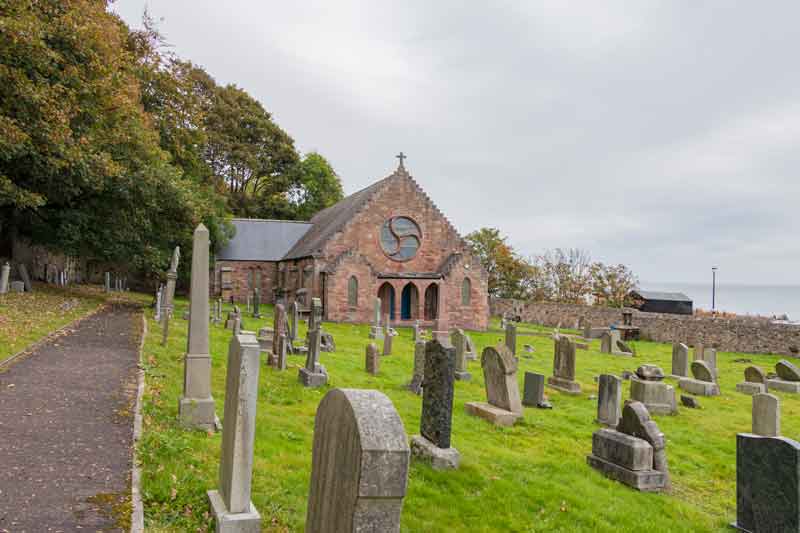
The church was purchased from the Church of Scotland by Wemyss Estates in 1972 and it has since maintained the building’s exterior on condition that it continues to be used as a church. A churchyard wall lies nearby and features an impressive memorial dating back to 1703.
Auld Wemyss Ways Heritage Centre
The small Auld Wemyss Ways Heritage Centre and a local café lie on a hill in the centre of the village. The museum was founded nine years ago by curator Tom Moffett and is primarily dedicated to the coal mining industry.
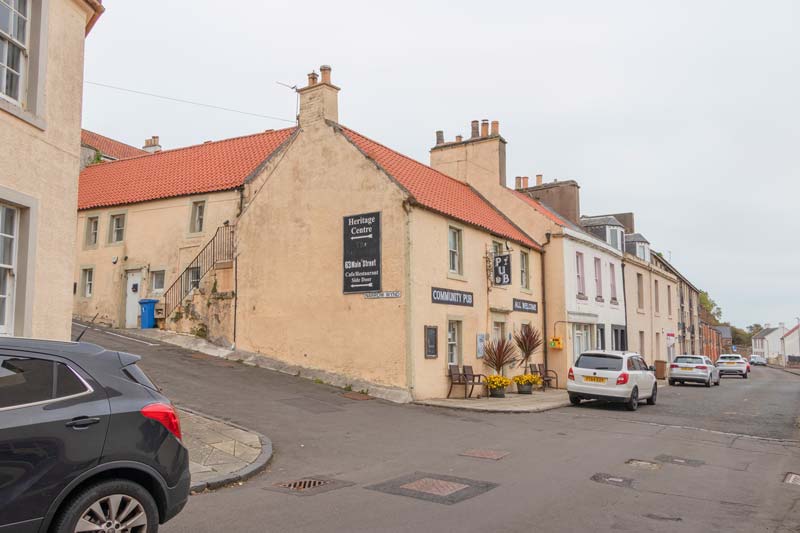
Most of the exhibits relate to the region’s mining past. The centre is open from 12:00 to 15:00, Friday to Sunday.
Seafront Memorial
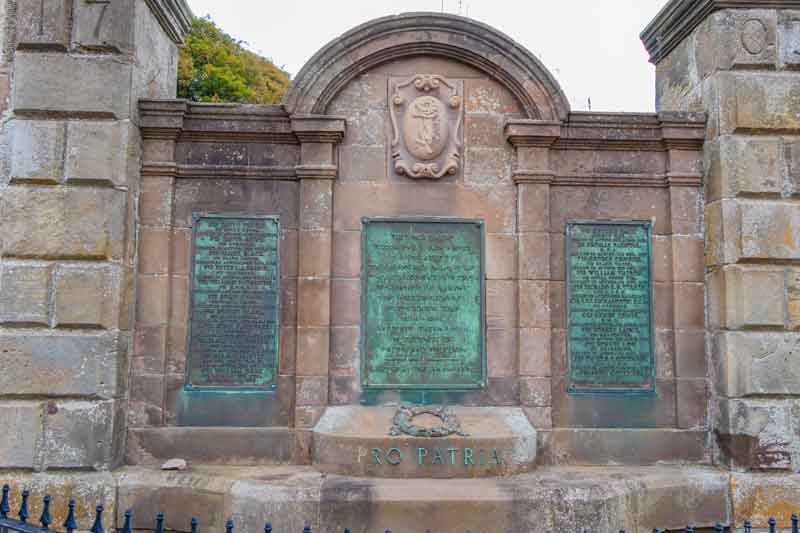
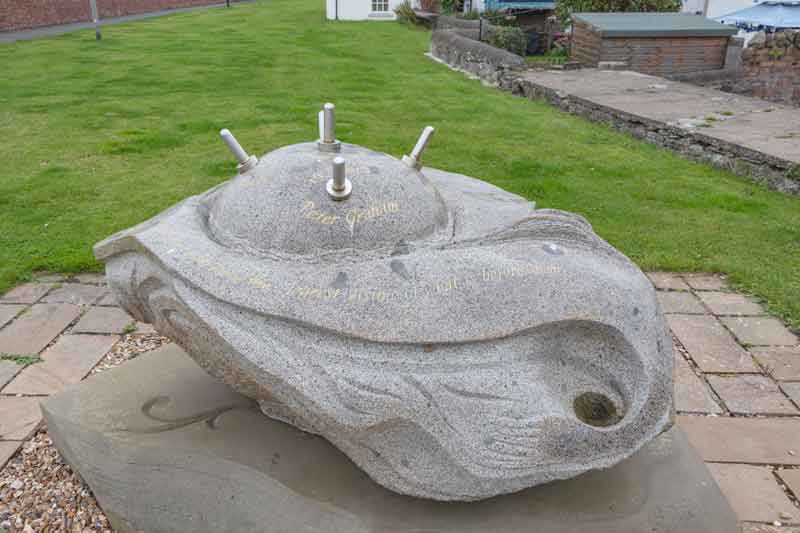
A memorial stands at the waterfront dedicated to five residents of West Wemyss who died in 1941 while attempting to prevent a drifting naval mine from washing ashore near the village.
Chapel Garden Ruins
There is a view of a ruined four-storey 16th-century tower in the old Chapel Garden from the end of the harbour wall. Three round bastions are built into the wall and surround the ancient Wemyss family burial ground. The ruins are owned by Wemyss Estates.
Nature and modern day
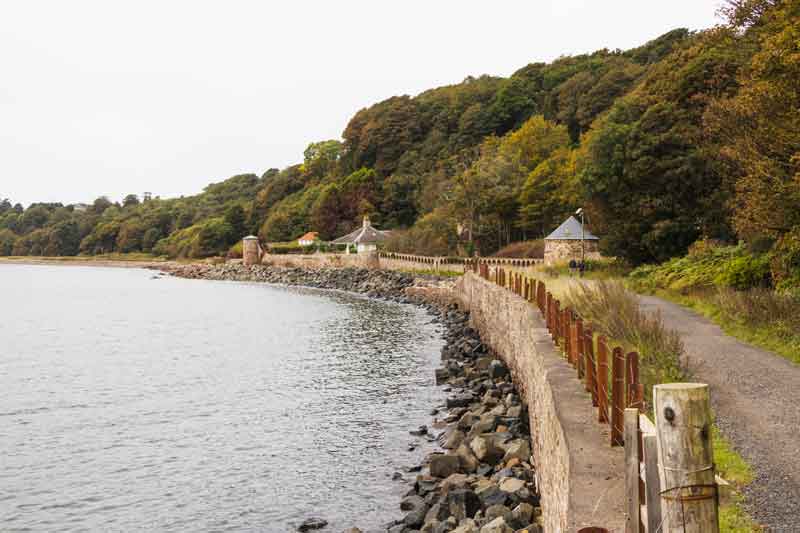
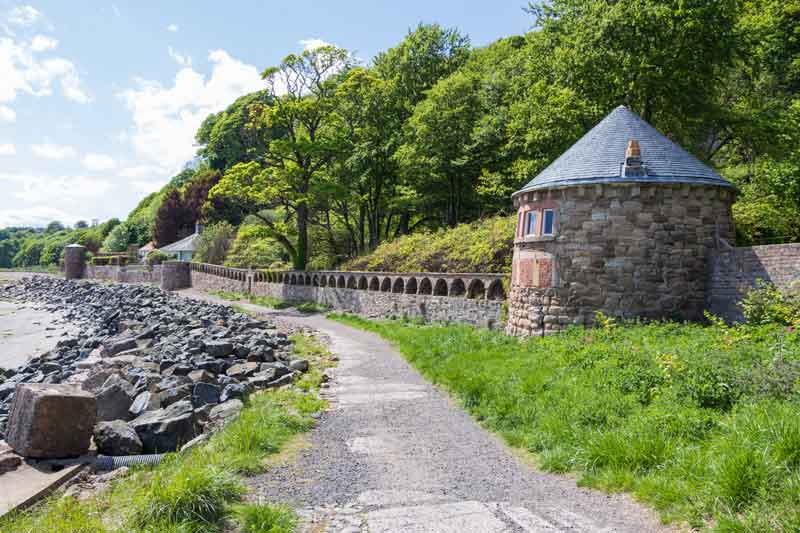
Today, West Wemyss is part of the 117-mile Fife Coastal Path. The village remains an appealing place to live, largely due to its quiet and secluded coastal setting.
Small fishing boats moor in the harbour and long-tailed ducks and cormorants can be spotted on the waves. The old inner harbour is no longer visible, now hidden beneath a picturesque lawn.
Significance of West Wemyss
West Wemyss is a truly remarkable place with a very real and deeply significant history. The village has weathered far more industrial decline and economic hardship than many other settlements in the region.
What sets West Wemyss apart is that the decline has reversed in recent years through the efforts of numerous partners and agencies, in particular Wemyss Estates. It stands as an example of how responsible land management can help restore balance and preserve historical heritage for future generations.