by
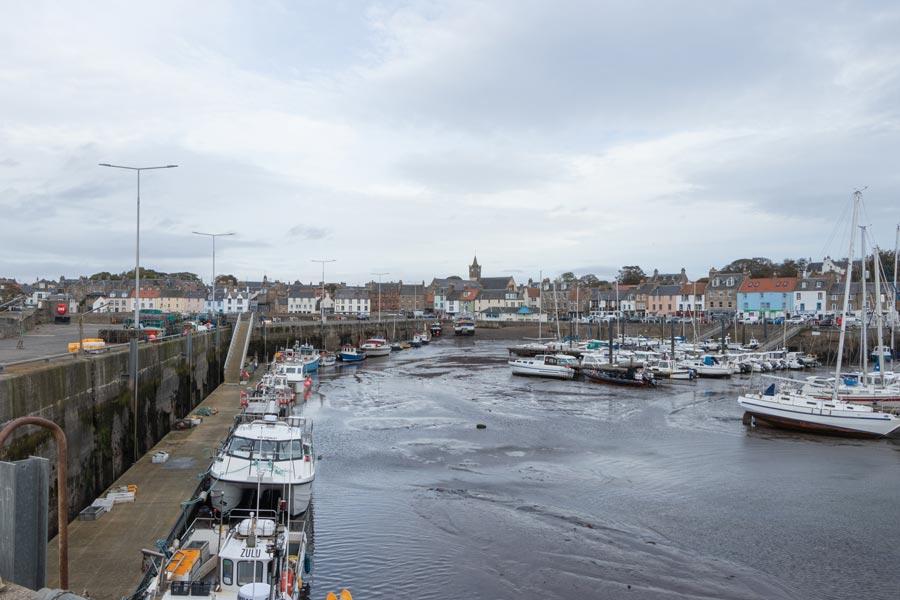
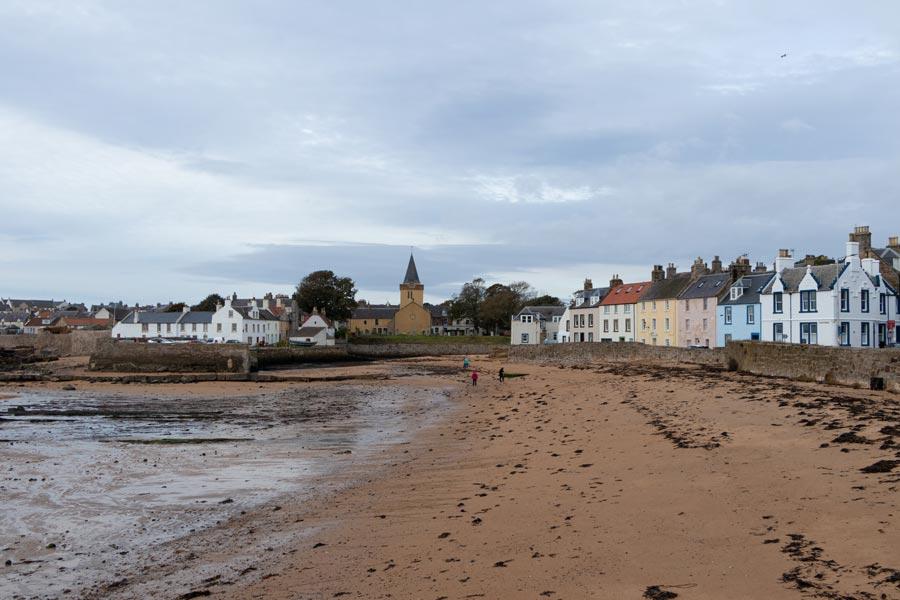
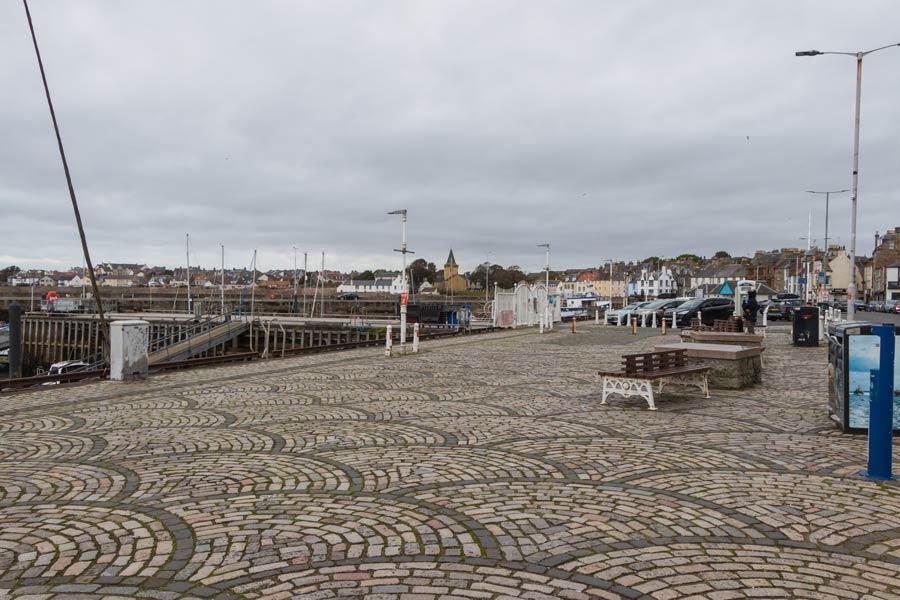
Anstruther is the largest and most vibrant settlement along the East Neuk coast in the Scottish county of Fife. Once one of the country’s main fishing ports, today it attracts visitors with its picturesque harbour, boat trips, fishing museum and charming seaside atmosphere.
History and character of the town
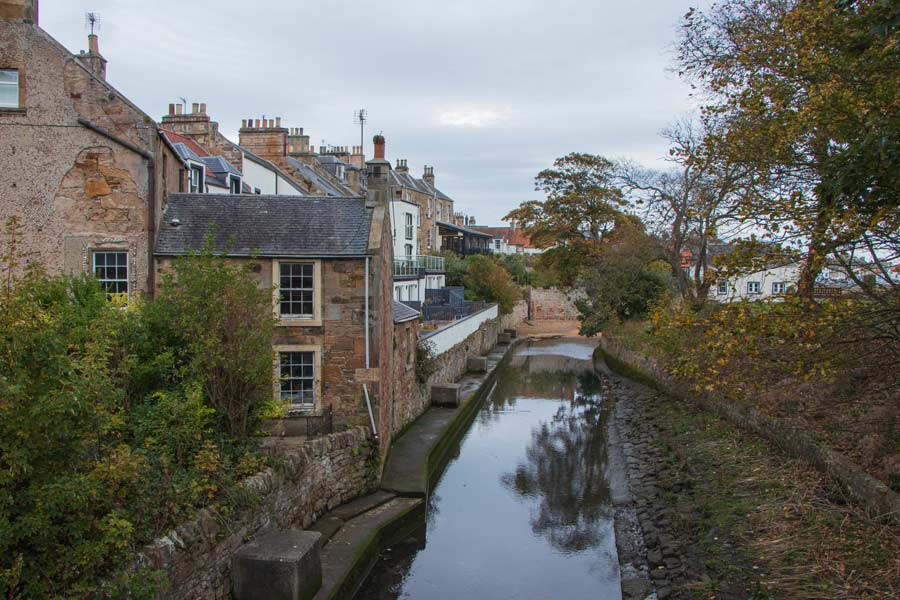
Situated on the shores of the Firth of Forth, Anstruther brings together several historic settlements, including Anstruther Easter, Anstruther Wester, and Cellardyke. They are divided by the Dreel Burn, whose Gaelic name is believed by some to be the origin of the town’s name.
The first documented mention of Anstruther dates back to 1225. Even then, fishing played such a vital role in the life of the settlement that a dispute over fishing rights with the monks of Dryburgh Abbey escalated to the intervention of the Pope.
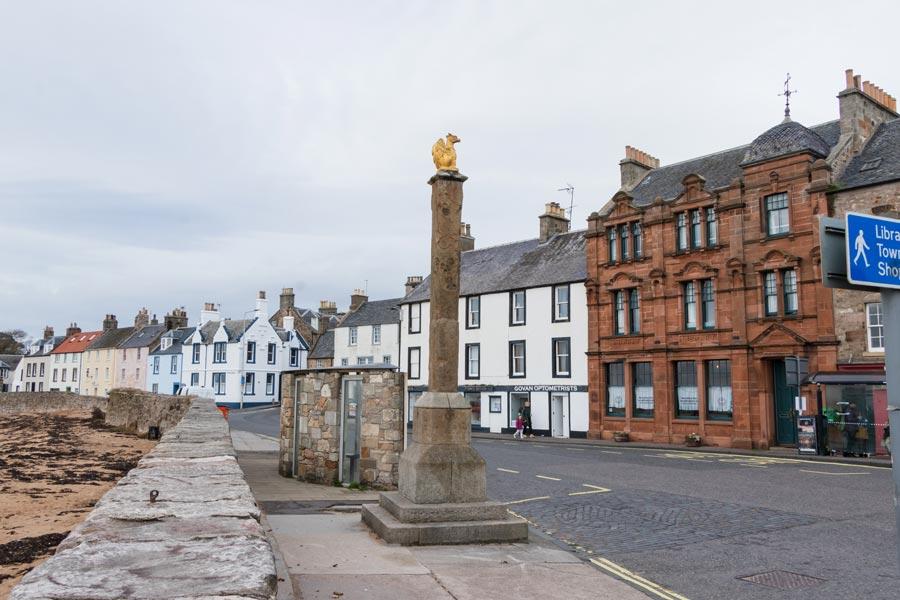
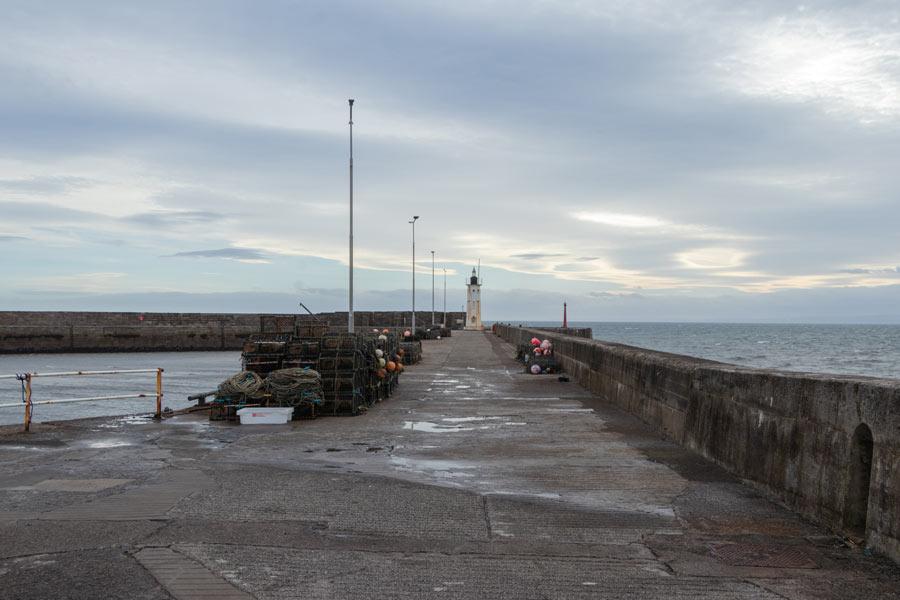
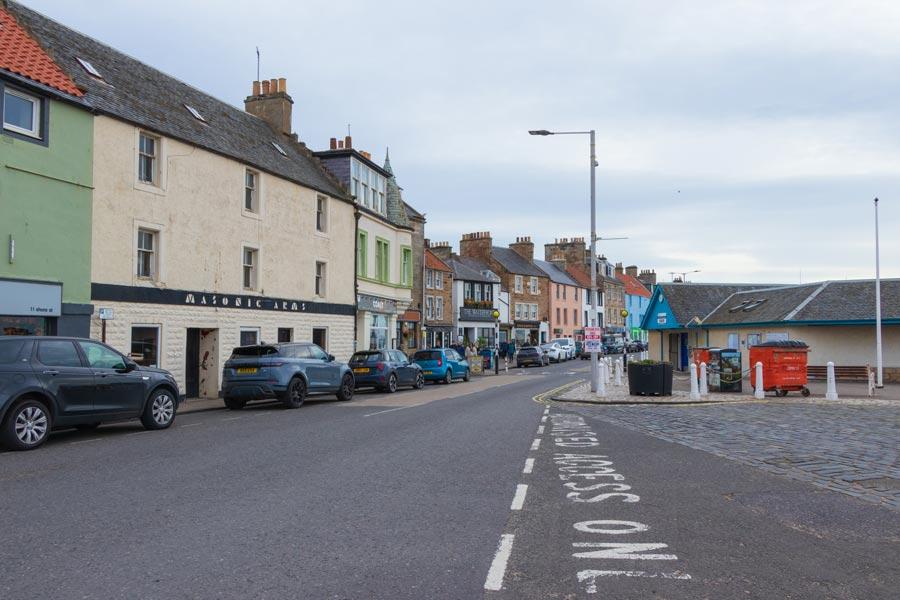
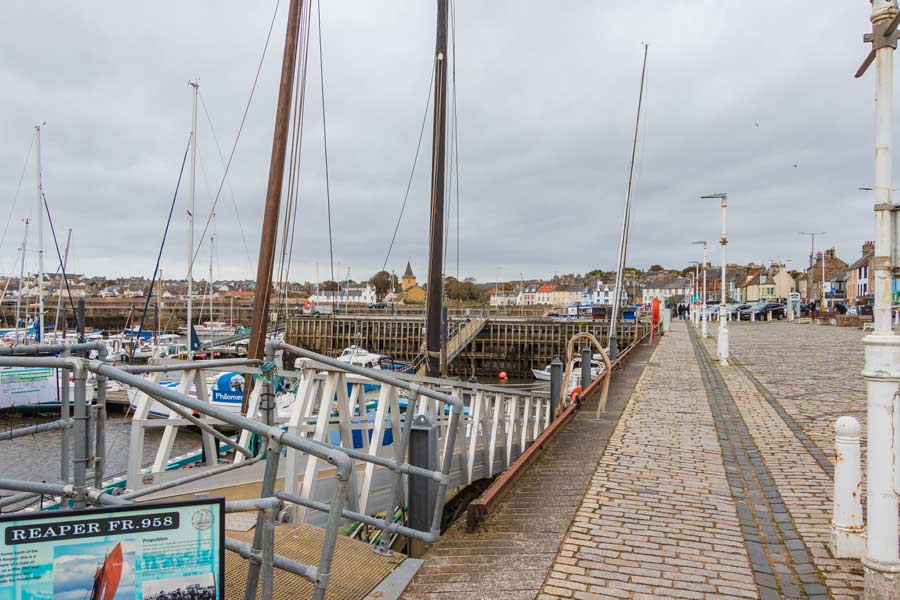
In the 19th century, Anstruther was one of Scotland’s main herring fishing hubs. Hundreds of boats operated from the port, and the harbour was so crowded with fishing vessels that, according to local legend, one could walk from one side to the other by stepping from boat to boat. In 1936, however, the herring vanished from its traditional grounds, leading to a significant shift in the local economy.
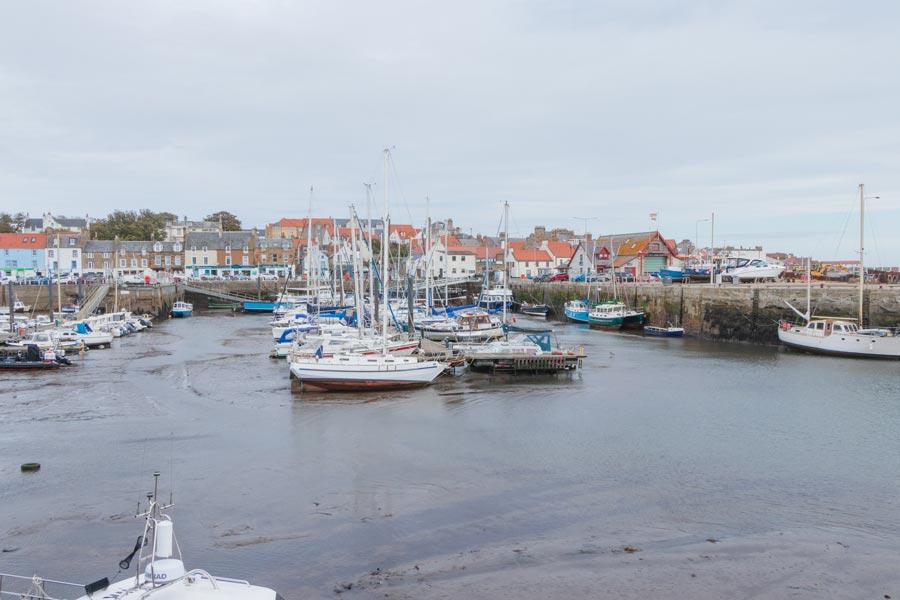
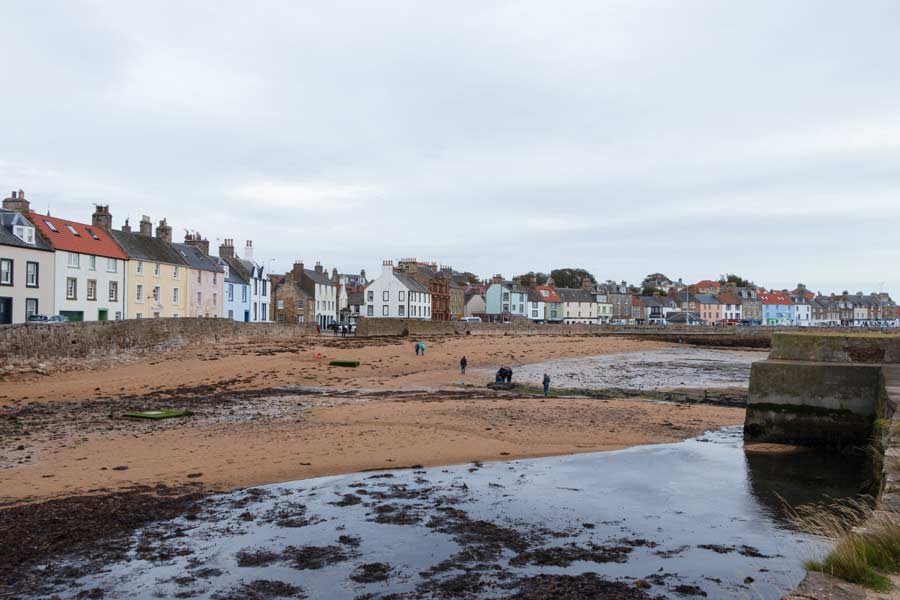
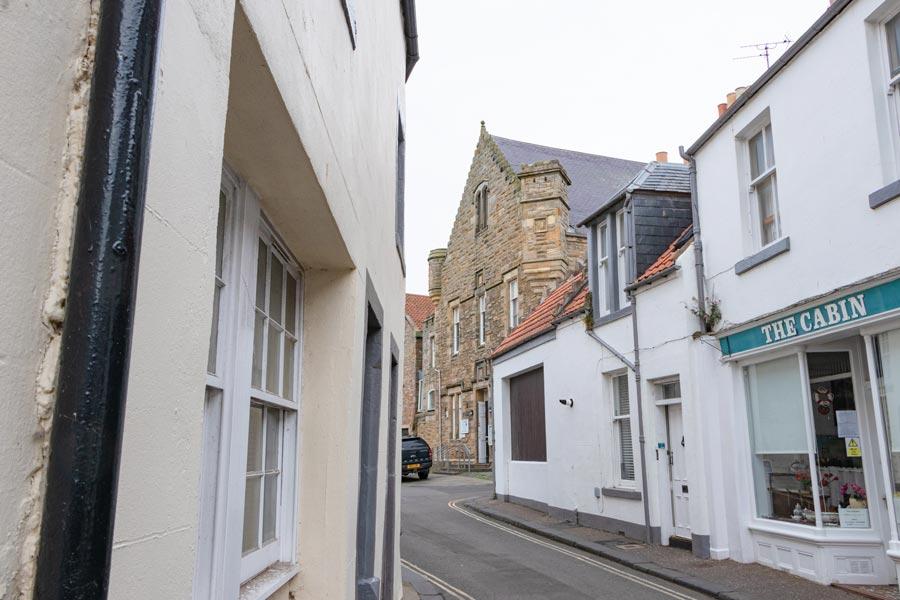
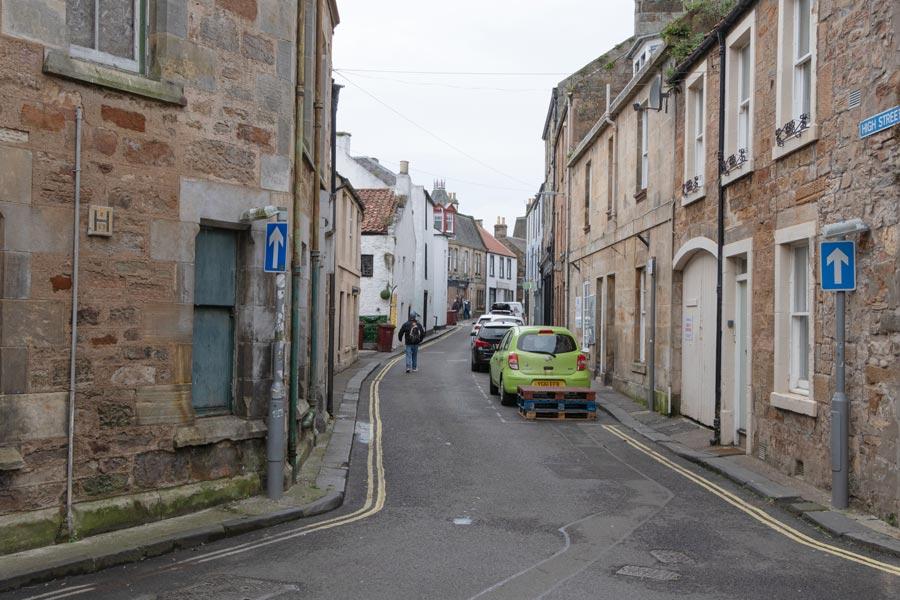
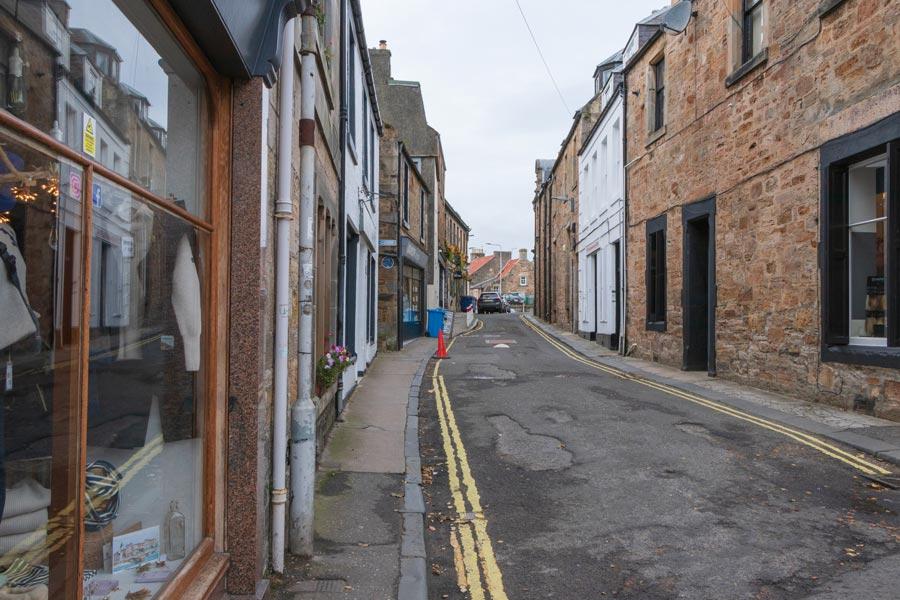
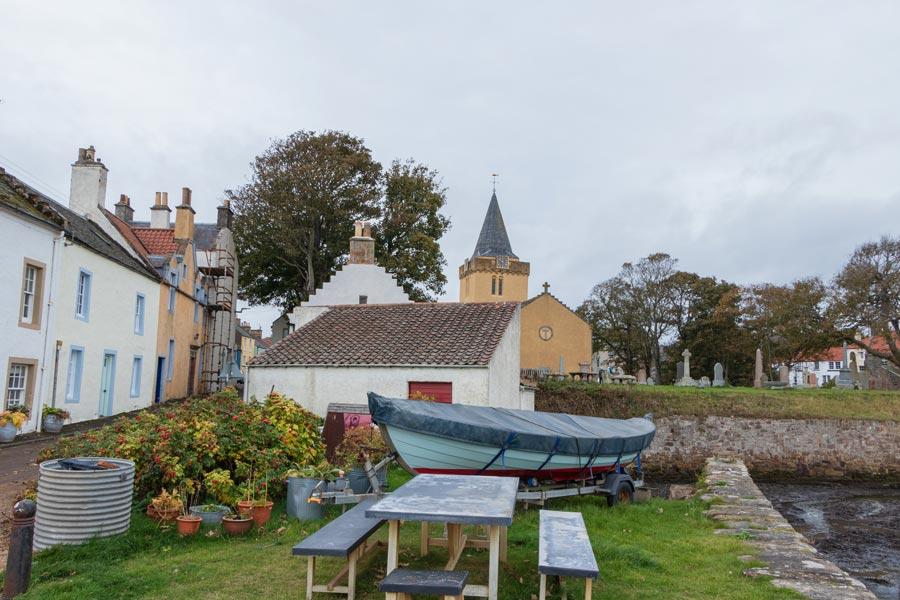
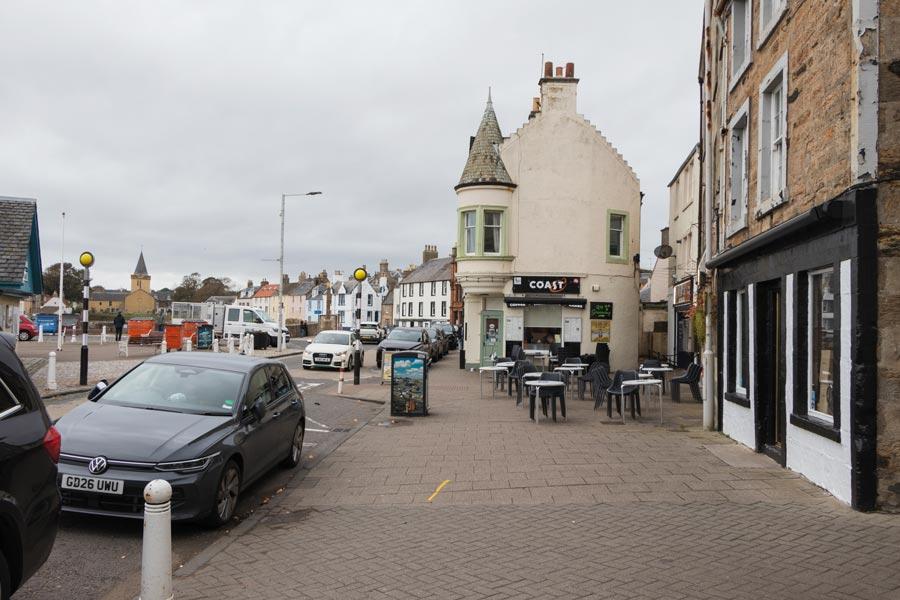
Anstruther never turned into an industrial town or a commuter suburb, unlike more westerly settlements (such as Charlestown) which were tied to coal mining and industry. It is thanks to this that it has preserved its historic architecture, narrow lanes, vintage shopfronts and the distinct charm of a coastal fishing village.
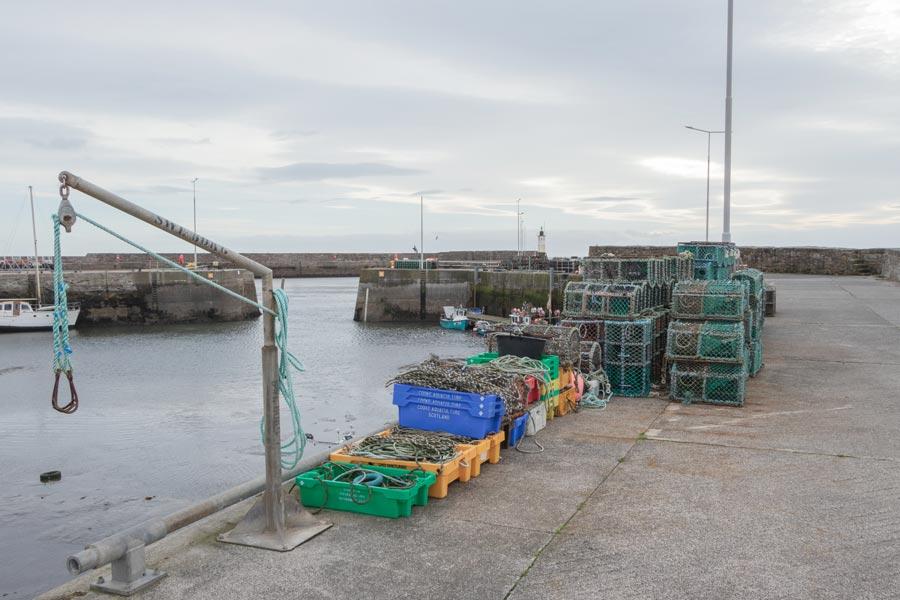
Isle of May and boat trips
Boat trips depart from Anstruther Harbour including excursions to the Isle of May – a small nature reserve at the mouth of the Firth of Forth. In summer, the May Princess typically runs trips with a round trip taking about four to five hours. Schedules depend on the tides and sailings may be cancelled when there is bad weather.
The Isle of May is particularly popular with nature lovers. Its cliffs become a nesting ground from April to July for thousands of seabirds including puffins. Grey seals live here year-round and occasionally in late July and August whales can be spotted.
The island preserves the ruins of a monastery which was abandoned in 1318 and a lighthouse was built in 1816 by the grandfather of the writer Robert Louis Stevenson. It is also home to the remains of one of Scotland’s earliest lighthouses which was erected in 1636.
The Scottish Fisheries Museum
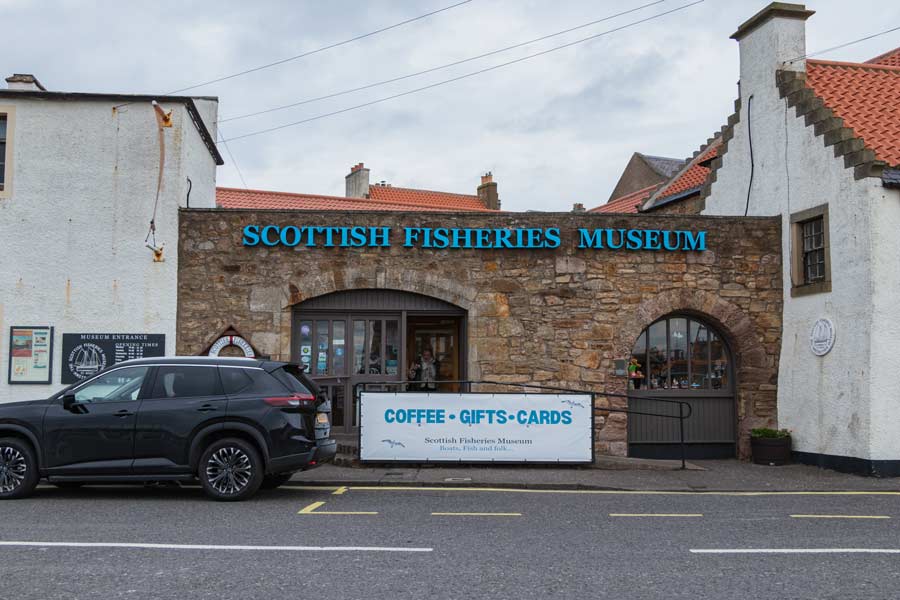
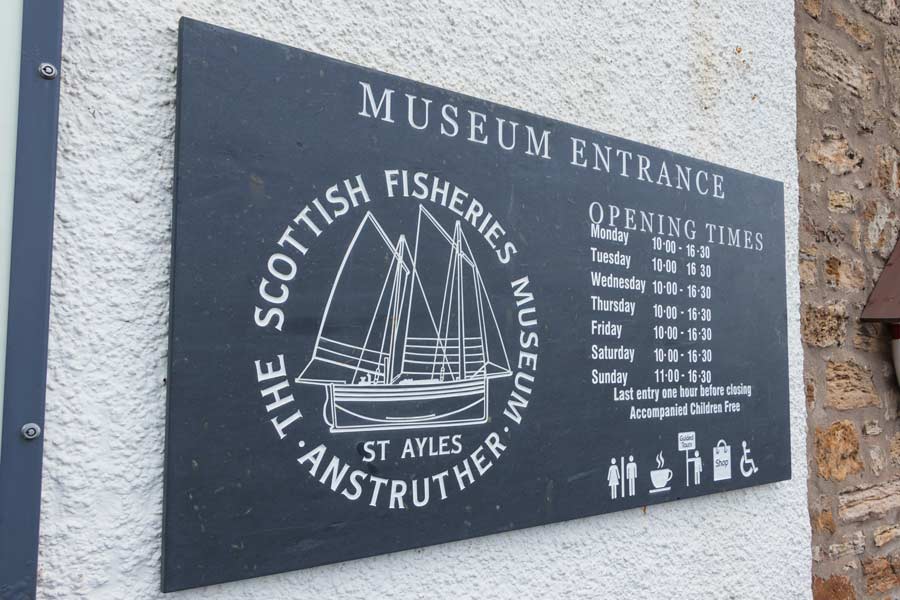
The town’s main museum, the Scottish Fisheries Museum, is located at the harbour on St Ayles Crescent. It tells the story of Scotland’s fishing industry from ancient times to the present day.
The collection includes traditional boats, fishing gear, marine engines, documents and items representing the daily lives of fishermen. One of the most memorable exhibits is a reconstructed fisherman’s family cottage. The museum is open Monday to Saturday from 10:00 to 16:30 and on Sundays from 11:00 to 16:30.
Cellardyke: A quiet harbour nearby
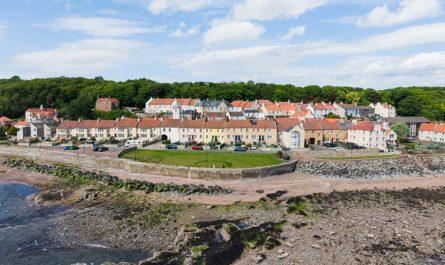
Half a mile east of Anstruther lies Cellardyke, a former independent fishing village that later merged with the town. Its harbour (also known as Skinfast Haven) was built as early as the 16th century.
Cellardyke was a bustling port during the heyday of the herring trade, but in 1898 a severe storm damaged the harbour. Following this the remaining boats relocated to the better-protected harbour in Anstruther.
The name Cellardyke is linked to the phrase “silver dyke” and refers to the shimmering scales of herring that were dried in nets and hung along walls near the harbour. Today it is a quiet, highly photogenic spot with stone piers, historic cottages and narrow lanes leading down to the sea.
Things to do in Anstruther
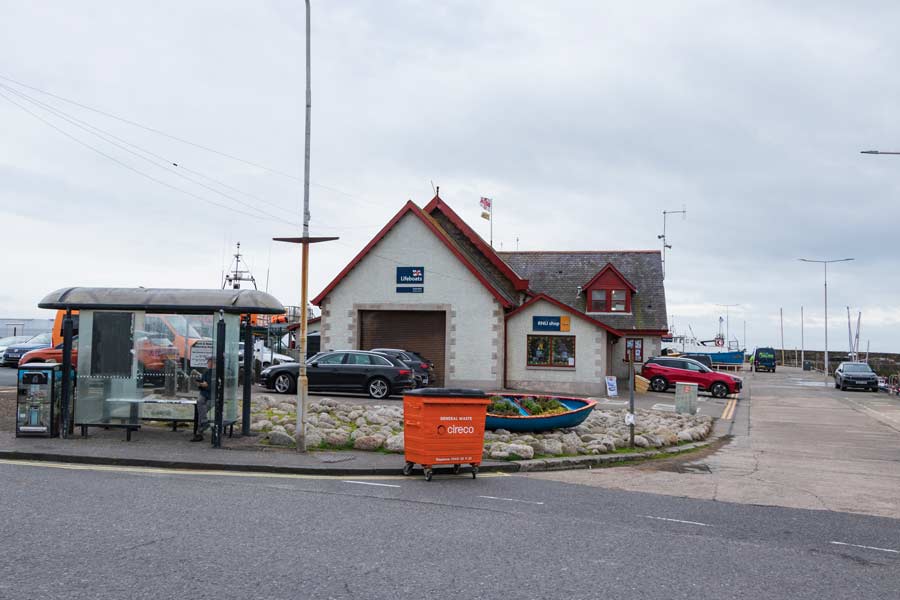
- Stroll around the harbour, especially at sunset when the yachts and old port walls look particularly picturesque.
- Visit the Scottish Fisheries Museum and discover the region’s maritime history.
- Take a trip to the Isle of May to see the seabird colonies, seals and historic lighthouse.
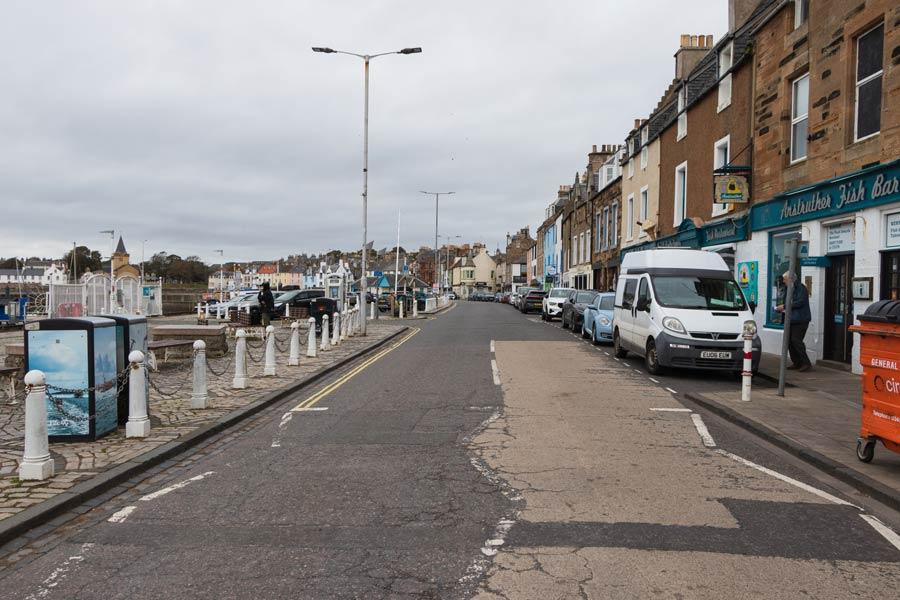
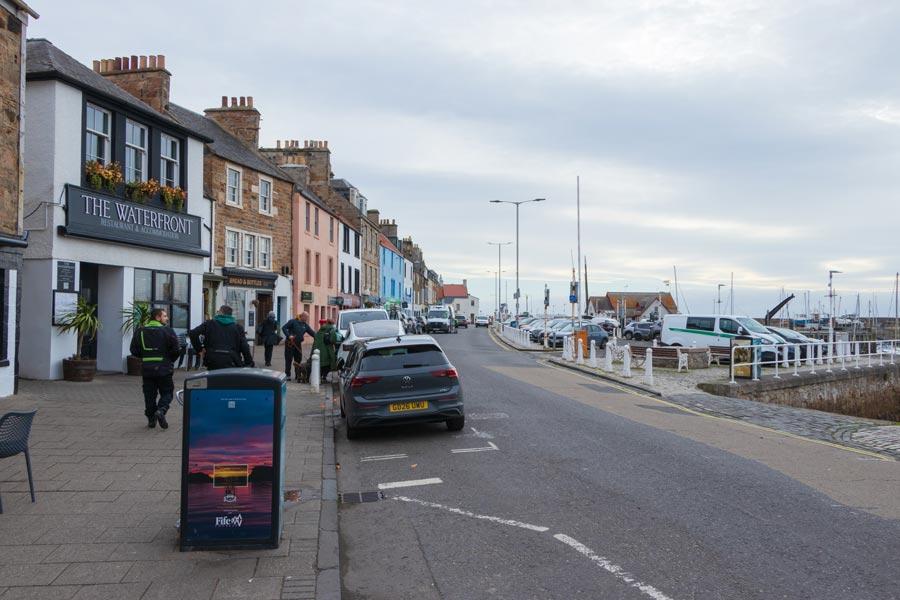
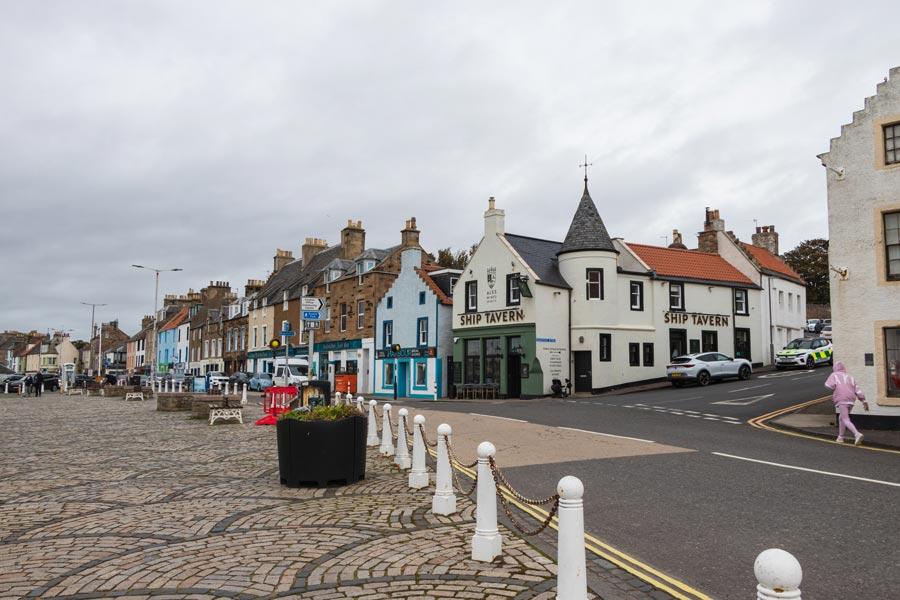
- Wander through narrow cobbled streets featuring old shopfronts and buildings bearing their construction dates.
- Relax on the small Billow Ness beach located just a short walk from the harbour. It is especially nice at low tide though seaweed often washes ashore after storms.
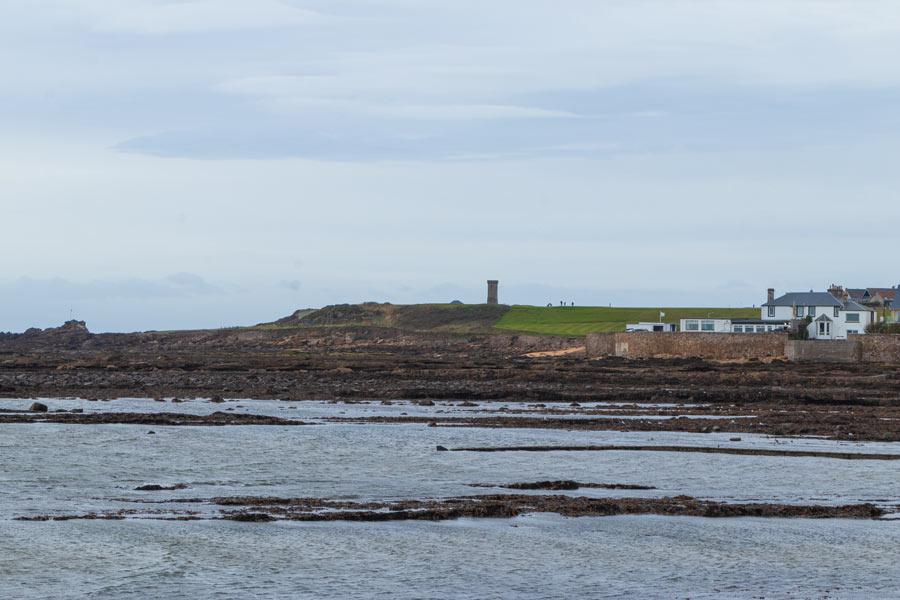
- Play a round of golf at the local club which was founded in 1890. Originally a seven-hole course it is now a nine-hole course and offers views of the sea and beach.
- Walk a section of the 187-kilometre Fife Coastal Path. From Anstruther you can head east towards Crail or west towards Pittenweem and St Monans and return conveniently by bus.
Food and local flavours
The culinary calling card of Anstruther remains the Anstruther Fish Bar on Shore Street. This award-winning establishment is famous for its battered fish and chips and fresh seafood. Queues are common during peak season and at weekends so locals recommend ordering takeaway and enjoying a picnic at the harbour.
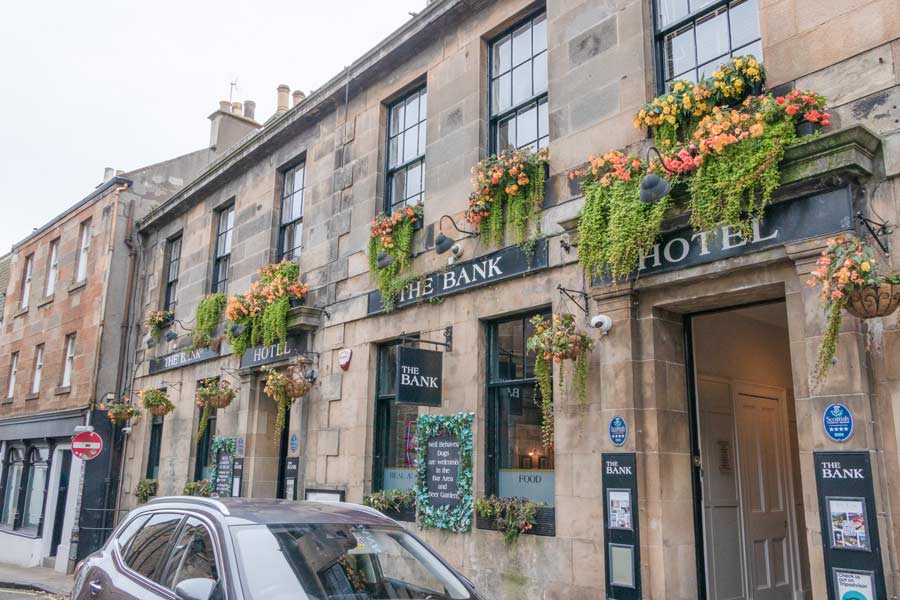
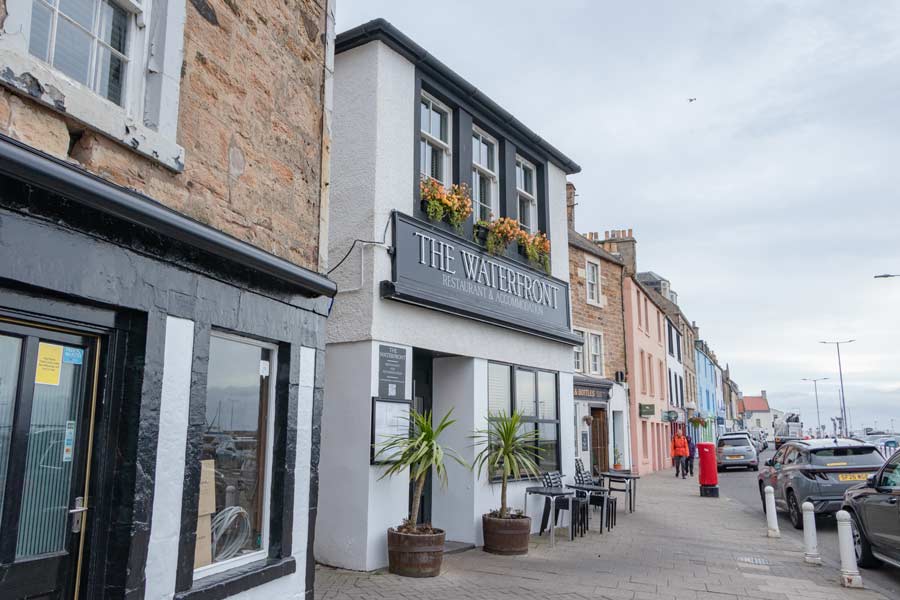
In addition to the fish bar the town features pubs, cafés and restaurants serving dishes made from local seafood alongside traditional Scottish cuisine.
Surroundings and attractions
A few miles west of Anstruther lies Scotland’s Secret Bunker, a massive underground complex near Troywood. Built in 1954 and kept classified until 1993, the complex was designed to house the Scottish government in the event of a nuclear war. Today it operates as a museum, open daily from February to October between 10:00 and 17:00.
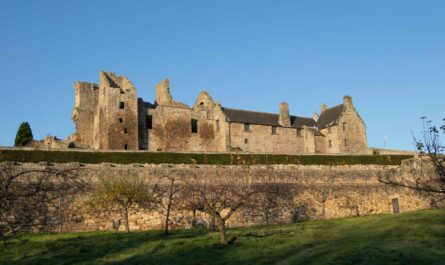
Located nearby is Kellie Castle, a robust 14th-century tower house which was expanded in the 15th century. The estate has belonged to the National Trust for Scotland since 1970. In the 19th century its interiors and gardens were decorated in the Arts and Crafts style and its former stables now house an exhibition dedicated to sculptor and former owner of the estate, Hew Lorimer.
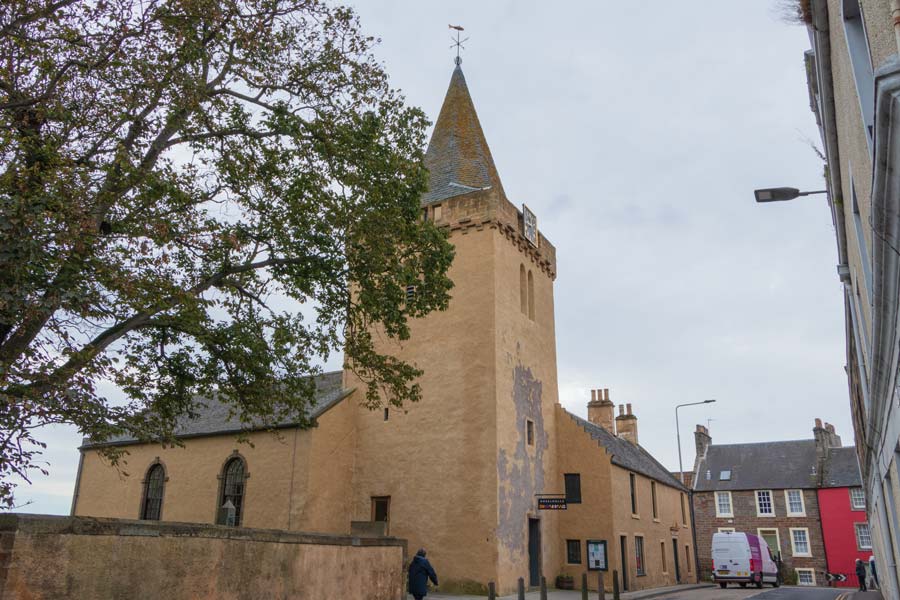
To the west of Anstruther is Pittenweem, St Monans, Elie and Earlsferry. Pittenweem maintains the most active fishing fleet in East Neuk and features a hermit’s cave associated with St Fillan. St Monans is known for its late 18th-century windmill and a 1300’s water’s edge church which dates back to 1369. Elie and Earlsferry once served as a mediaeval crossing point across the Firth of Forth.
To the east lies Caiplie Caves with ancient rock carvings followed by the picturesque village of Crail with its 12th-century parish church. However, the easternmost tip of the peninsula is dominated by modern developments and is less interesting for walking.
Getting there
The most convenient way to reach Anstruther from Edinburgh is by car and takes approximately one hour and twenty minutes. The route typically follows the M90 followed by the A92, A915 and A917. The journey takes about one hour and forty-five minutes from Glasgow.
You can take a bus from Edinburgh to Halbeath and then catch the 95 bus which runs along the coast through Leven, Elie, St Monans, Pittenweem, Anstruther and Crail. The nearest railway station is located in Leven.
It is easy to get around Anstruther on foot. A car or bicycle is more convenient for trips to surrounding villages and the interior of the peninsula.
When to visit
Anstruther is appealing at any time of year, but it becomes busiest during summer. Boat trips to the Isle of May generally run from April to September and the coast is particularly beautiful in warmer months. The town is quieter in winter and more peaceful though warm clothing will be needed for seaside walks.
Where to stay
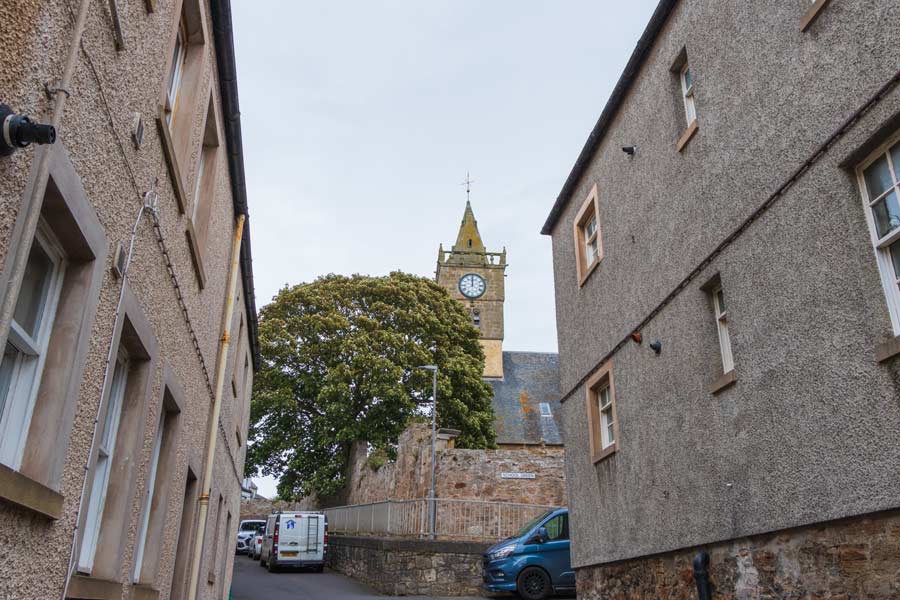
Anstruther and neighbouring Cellardyke offer small hotels, guesthouses, cottages and apartments. Many accommodation options are housed in historic buildings and combine traditional atmosphere with modern comfort.
For those arriving by car it is worth checking in advance whether parking will be available at your accommodation. Free spaces in the centre can fill up quickly during the tourist season and at weekends. Public car parks are conveniently located at the harbour for day trips at the East Car Park and on Station Road.