by
by 
Island
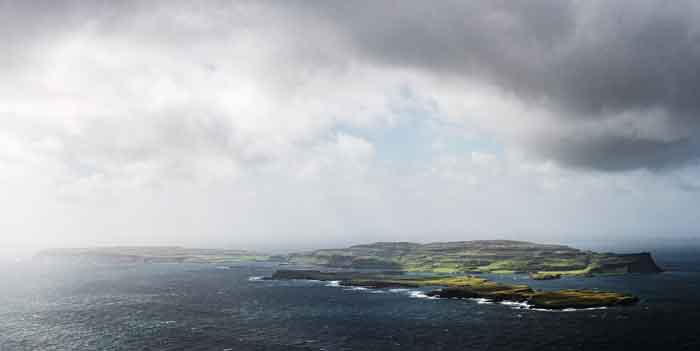
The Isle of Canna located in the lesser isles of the inner Hebrides is one of Scotland‘s most remote and interesting places.
This small island with an area of 11.58km² is famous for its rich history, natural attractions and wildlife. In 2015 the island’s population dropped to 19 and by 2021 only 15 residents remained. Despite this, Canna continues to attract the attention of both tourists and researchers.
At various times the island has faced environmental challenges such as the overpopulation of rats and rabbits, but local authorities have successfully dealt with these problems.
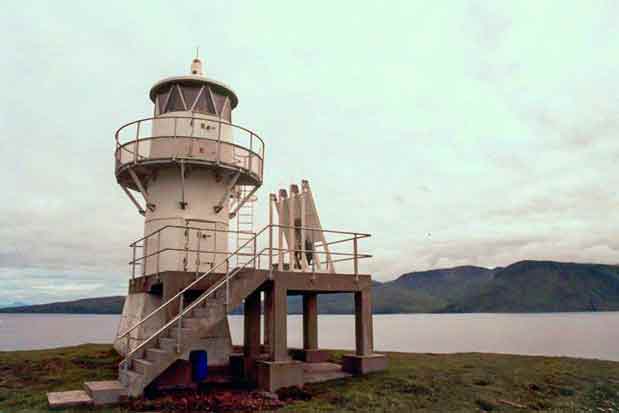
Canna is part of a small island group of which it is the southernmost island and the third largest. The island shares a community with neighbouring Sanday and is close to a ferry port. The first settlements on Canna date back to the Neolithic era and its territory has changed hands many times during wars and conquests.

Today the island attracts historical monuments such as an ancient cross dating back to the times of the Norwegian kingdom and the ruins of Korogon Castle, a watchtower on a rocky ledge surrounded by water.
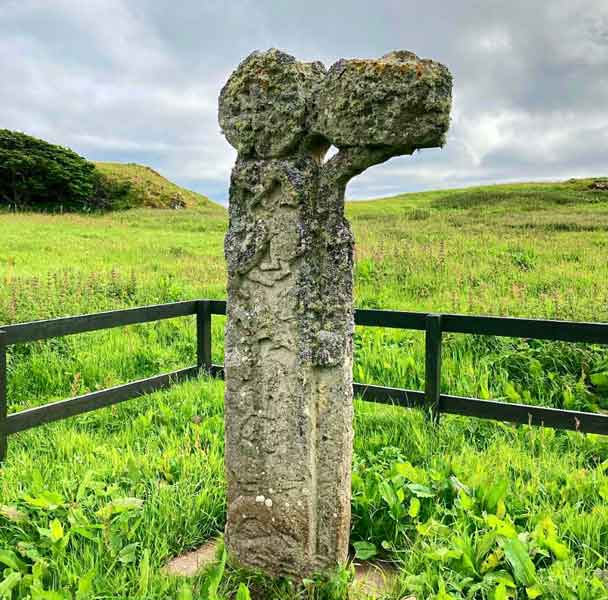
Attractions of the island
One of the island’s key attractions is the Canna House built by Donald McNeil circa 1863.
His wife visited wealthy relatives in Glasgow and she decided that her own family needed a home which matched the same level of comfort. The house was subsequently sold to Robert Thom and then to John Lorne Campbell and he purchased the island in 1938 and lived there with his wife Margaret Fay Shaw.
The couple left extensive collections of folklore, music and historical documents behind which are now housed in the Canna House archive. The house itself was handed over to the National Trust for Scotland in 1981 and will reopen to the public in 2025 following restoration.
Nature of the island
Canna’s natural environment is also impressive. The island is home to rare bird species such as sea eagles, golden eagles and puffins while dolphins and small whales can be found in its coastal waters. Geologically the island is a layered sequence of basaltic lava flows which is particularly noticeable on the eastern side where basaltic columns rise.
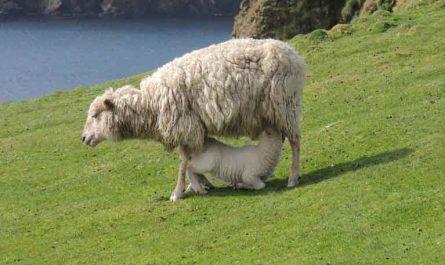
In addition to its cultural and natural attractions Canna is known for its farm which covers 1,126 hectares. The farm breeds 600 north country Cheviot sheep which produce lamb and breeding stock. The lambs are sold in September and the best females are kept as replacement breeding stock. The farm also contains about 50 cows, mainly shorthorn and Aberdeen Angus as well as a small herd of Highland cattle.
The farm follows a zero-farming policy meaning that all feed is purchased externally. This helps reduce machinery and labour costs and ensures high quality animal nutrition. An important part of the farm’s work is its commitment to nature conservation – from March to September certain areas of the farm are set up to provide breeding grounds for rare bird species such as the corncrake which returns to Canna every year.
The highest point on the island is Carn a Ghaill (689 feet) while Compass Hill (456 feet) is noted for its ability to distort the compasses of passing ships due to high iron content in its rock. Canna remains a unique place combining rich history, cultural values and extraordinary natural beauty making it attractive to both tourists and nature explorers.